What Smart Targets Look For in a SPAC (And What Most Miss)
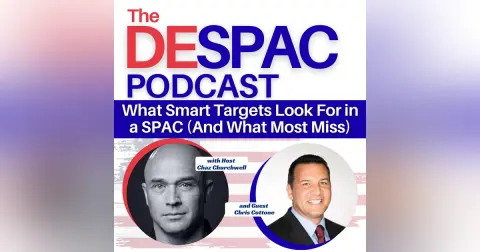

Chris Cottone of Greentree Financial on what target companies should look for in a SPAC — promote structure, dilution, PCAOB audit timing, and capital recycling strategies for post-close success.


Key Takeaways
- Targets should evaluate what type of SPAC they're merging with.
- Promote structure and dilution shape outcomes.
- PCAOB audits should be completed early.
- Valuation discipline reduces post-close market correction risk.
- PIPEs, non-redemption agreements, and follow-on financing help offset redemptions.
In this episode of The DESPAC Podcast, host Chaz Churchwell interviews Chris Cottone, Vice President at Greentree Financial, a family office active in IPO and SPAC advisory since 1999.
Chris shares practical insight from years of experience advising companies through both IPOs and DESPAC transactions.
Topics covered include:
- What types of SPACs targets should evaluate
- How promote structure and dilution impact outcomes
- The importance of having PCAOB audits completed early
- Valuation discipline and post-close market correction risk
- Understanding redemption variability
- Capital recycling strategies: PIPEs, non-redemption agreements, follow-on financing
- Board composition and long-term sponsor alignment
Chris also discusses how integrity, long-term thinking, and preparation shape successful public transitions.
For private companies exploring a DESPAC, this episode delivers a grounded, operator-focused perspective on how to approach the process strategically and defensibly.
Topics: what target companies should look for in a SPAC, promote structure and dilution, PCAOB audit timing, capital recycling strategies, PIPE financing, non-redemption agreements, post-merger SPAC podcast
THE DESPAC PODCAST STANDARD LEGAL DISCLAIMER
The DESPAC Podcast is for informational purposes only. The views and opinions expressed by the host and guests are their own and do not represent the views of Smooth Stone Capital, its affiliates, or any sponsoring organization.
Nothing in this podcast should be interpreted as legal advice, investment advice, tax advice, or a recommendation to pursue or avoid any transaction. Discussions may reference SPACs, DESPAC transactions, securities regulations, or public-company readiness frameworks. These conversations are educational in nature and should not be relied upon when making financial or strategic decisions.
Listeners should consult qualified legal, financial, and tax professionals before acting on any information discussed in this podcast. Any examples or scenarios mentioned are illustrative and may not reflect current market conditions or regulatory requirements.
Participation by a guest does not constitute an endorsement of any company, strategy, product, or service. References to specific firms or individuals are for context only.
Smooth Stone Capital and the DESPAC Podcast disclaim all liability arising from the use of or reliance on the information presented.
Frequently Asked Questions
What should target companies look for in a SPAC?
Chris Cottone of Greentree Financial says targets should evaluate the type of SPAC, how its promote structure and dilution affect outcomes, redemption variability, and board composition and long-term sponsor alignment.
What do most targets miss in a DESPAC?
Cottone stresses having PCAOB audits completed early and maintaining valuation discipline to reduce post-close market correction risk.
How can a DESPAC company offset redemptions?
He discusses capital recycling strategies including PIPEs, non-redemption agreements, and follow-on financing.
Who is Chris Cottone?
Chris Cottone is Vice President at Greentree Financial, a family office active in IPO and SPAC advisory since 1999.
Chaz Churchwell: What's going on everybody? This is Chaz Churchwell, your host of the DESPAC podcast. I'm really excited about today. This is probably my favorite guest that we're gonna have on the program. I can't even lie. I'm a big fan of guys who are jam packed with honor, integrity, and there's not a lot of dudes that I think could probably out bench me, but I'm pretty sure that this guy on the call is that man, he's massive, but he's a teddy bear.
But don't be confused. He is also brilliant. I've got Chris Catone from Greentree Financial. How's it going, Chris?
Chris Cottone: I'm doing well. Thank you for Chaz and thank you Chaz, and thank you for that great. In intro. I'm not sure I can, now that you've been working out solidly for the last couple years. I'm not sure that I can beat you, but I do thank you for that.
And maybe we'll get to put that to the test sometime.
Chaz Churchwell: I look forward to it, man. I look forward to it. Hey alright. Greentree Financial. Tell me real quick, just an intro to you and to Greentree. What should these private companies, these targets that are looking at potentially going public through a spac, what do they need to know about you and Greentree?
Chris Cottone: Sure. And thank you for that. And so Retry is a family office. We've been around since 1999. I'm one of the vice presidents of the company. I'm located in Plantation, Florida. We have another office in North Carolina and a satellite office still in Hong Kong. And through the years we initially started focusing on the compliance side of working with companies 10 Qs and 10 Ks.
And then started getting involved around 2005 in the listing process. So that included IPOs and eventually SPACs. And we founDESPACs were a bit of a unique vehicle. I think someone used the phrase IPO 2.0 at one point just because. You can build a little bit more creativity when you're going public through a SPAC than you can through an IPO.
And so over the years we've been involved in probably a dozen SPAC transactions, of course, a lot of IPOs and we found that clients really enjoyed that method of going public and it gave them the flexibility to. Get the valuation they were looking for and be a bit more creative on some of the financing that they were looking for.
Overall it's been a win. The SPAC market, as has had its ups and downs over the years. I think we're back into one of those positive waves. Agreed. And that's largely due to market conditions. And also I would say bankers are getting more creative with their SPAC structure. So you used to see
Chaz Churchwell: yeah,
Chris Cottone: a certain type of structure when bringing out a spac and it might be fee heavy or or dilution heavy.
And I think they've gotten more creative the bankers and the SPAC sponsored teams to be able to address those points in recent years.
Chaz Churchwell: Yeah. I appreciate that and one of the things that I really love about you is you're a family office. You've been involved in a lot of deals both on the SPAC side and on the IPO side, and I really feel that you and your team.
I have some nuanced things that are great about you. You're phenomenal from a consulting standpoint, but as I alluded to in the beginning, and if you're a listener right now, it's really important you pay attention to this. There are a lot of people in the capital markets ecosystem to where they will like.
They will give up their own child if there's a $500,000 commission that's in it for him. But one of the things that I love about this man right here is that there's genuine integrity and honor and a remarkable work ethic that's baked into him and his entire team that you can actually trust in.
There's not a lot of people that you can have confidence in. But I want you to know if you're looking for an advisory consultant his team is incredible. Also. They've got a really strong relationship with a solid number of individuals in the SPAC ecosystem. So if if you need someone who can.
Walk along with you in the process to dpac your company, give consulting and advisory help to you. And then as you transition from being private to public, there's just a lot of hurdles that you're gonna run up against. And it's incredible to have somebody like Chris and his team at Greentree and your corner to really walk with you, advocate and be able to fill in the gaps.
Pardon me. With appropriate information and service providers to help you avoid any pitfalls that you're gonna run across. So Chris, let's dive in. So let me ask you this, what type of SPACs should a target be looking for? And what I mean is like what, what matters for a SPAC team that they're looking at and what matters for the structure?
Chris Cottone: That's a good question, Chaz, thank you for those words of e of encouragement, by the way we do,
Chaz Churchwell: it
Chris Cottone: as a company, we've tried to have those principles of integrity as our guidelines and anything that we do. So I'm thankful for those things that you said. Now, in terms of types of targets that.
A types of SPACs a target should be looking for as we're looking the other way, I think two things are important and we touched on 'em briefly on the intro, but the fees that it would cost to close a SPAC in a dilution. So anytime a target goes into a spac. You're going to have a sponsor promote, which is, that's the group of folks that put together the SPAC and paid for all the expenses to get it to that point, right?
So there's
Chaz Churchwell: right
Chris Cottone: tremendous value that has been then been put into the SPAC to get it on NASDAQ and trading with the with the trust value. And there's also the expenses to DS spec, right? Which you're, it consists of legal fees. Mostly legal fees, but you also have accounting fees. You have, you'll have additional listing fees because you have to go through the application process again with nasdaq.
So fees and dilution are the two primary things I think a target should be looking at. And I'll throw a third one in there as well. And that's valuation. And the reason for that is because there's certain valuation minimums that SPACs have to look at. And it's and it's based on how much money they have in trust.
A third but lesser item would be the valuation, the expected valuation that the target's looking for.
Chaz Churchwell: So I, I think that's phenomenal, and we're gonna come back to that in a minute. I want to talk about valuation a little bit later. Let me ask what like whenever the SPAC is, pardon me, whenever the target's actually trying to do due diligence on the spac.
Obviously the spac, they're gonna do due diligence on the targets that they look at, but it's a two-way street, right? So what kind of due diligence do you think going beyond just those surface things, should they be looking at whenever they're investigating, who's part of the SPAC team, what the deal structure looks like?
Does the banker matter? Does the attorney matter? Is there any deeper due diligence that they should be given consideration to?
Chris Cottone: Yeah, that's a great question. And I think some of that comes down to how the proposed structure is. Of the DESPAC transaction. And what I mean by that is sometimes you'll have the board of directors of the spac, they're focusing on a specific type of industry, and the goal is to acquire a target in that industry and then help build up that company.
And so if you have board members that are going to remain post DESPAC transactions, sure you're gonna wanna work with those folks to check their background. See what type of transactions they were involved in. Have they had successful mergers, successful exits, successful fundraising, and then you also just wanna make sure that their corporate culture matches the corporate culture of the target company.
Ideally, you're gonna wanna look at how much cash is in the trust, right? If you're looking at, if your target and you're looking at the spac, look at the trust, but also look underneath that and pull a shareholder list, I find that's a step that a lot of targets don't do.
Chaz Churchwell: You wanna
Chris Cottone: pull a shareholder list to see if there are funds that invest in that type of industry and that type of valuation.
If so, you have a much better chance of funds staying in trust, which is one of the ultimate goals of a dpac. And then I would also look at other things such as the, sort of the intangibles. So do you have. Are, is the SPAC bringing anything else to the table? Any sometimes they there's IP enhancements that they can make to the target.
Sometimes there's doors that can be opened, either with other banking teams or if it's a product company, maybe across certain retail branches. So you look at sort of those value added plays as well. Who, how will you guys integrate and survive post DS spec?
Chaz Churchwell: And that's, honestly, that's some gold right there.
And I, I really feel that if you're a target, it's really important that you may want to go back and re-listen to that last little part because so often targets wanna be myopically focused on what's the promote and they wanna look at. What the valuation is gonna be, but there's so much more meat that's there left on the bones to where there can be value added from a different SPAC team.
So I appreciate that, Chris. Now let's go back and talk about valuation. What do you feel like whenever it comes to these targets? Everybody they wanna get the biggest valuation that they can. And so then all of a sudden, if they get too big of a valuation, then the market's gonna correct, and then the stock ends up crashing and it could end up in a free fall.
But then conversely, if they accept too low of a valuation, their internal shareholders could end up. Suing on the deal and everything blows up from that side. It's like you're darned if you do and you're darned if you don't like, if you go too far outside the rails. So how do they need to approach valuation of their company whenever they're working with a SPAC and and what should they give consideration to whenever the fairness opinion happens, if a fairness opinion happens.
Chris Cottone: That's a really good question because you saw this play out, especially around 2020 2021. Targets were commanding high valuations. It seemed everything that was D Sacking had a B in front of it. And we did a few of those too, and we had a few. 900 million or 1.1, $1.2 billion type of transactions.
And they were at the max really, of the valuation that could be commanded. And so what happened is many of those went down post DESPAC and they find themselves in a situation where over the next couple years they had to grow into that market cap. And a few of them did. A few of them became successful spac.
But I think that's a common mistake that. Targets commanding the higher valuation because. Nobody's guaranteeing that valuation going forward. So you may do a transaction at a certain valuation, but then the market is going to take over post epec and it's going to price you where it thinks you're valued.
Yeah. And so rather than come out at a $10 price and go down 50% or more, sometimes it's better to be conservative on your valuation and leave some upside. I think that's also good if you're trying to attract capital to stay in the pac. A lot of the institutions that are in, or new money that you're looking to raise is going to be very valuation sensitive.
So I think there's a balance there that needs to happen. And the goal should not be, in my opinion, just to come out with the highest valuation because again, nobody's guaranteeing you're going to trade at that valuation even into the second day. And so the market will take over and then you'll find yourself in somewhat of a cleanup mode.
Chaz Churchwell: It's so true. So let's talk about let's talk about what these guys can do. To actually improve their valuation. One of those things that I feel like, and I tell our listeners is have your audit in hand already done before you even start talking to a, an audit. Pardon me?
Before you start talking to a spac what are your thoughts on that? It's just something I'm convinced of, but you're actually a consultant. People pay you lots of money to tell them the truth on that. Obviously your opinion counts even more than mine. Do you feel that it's important that if they want to increase how they are perceived from a value proposition, that it's good to have your audits done ahead of time before you start talking to a spac?
And if so, what do you think that looks like? From getting it done ahead of time.
Chris Cottone: Absolutely. I would echo that and I would even put that toward the top of my list if you're a target and I evaluate a lot of targets on both sides of the SPAC transaction, and I can tell you that. 95% of the targets that come to the table.
And keep in mind, these are large targets. If you're dealing with a hundred million dollars spac, you might be dealing with two, $300 million company. And it surprises me how few of them have audits available. So you're in that 5% category if you can come to the table with an audit, in my opinion. And so it, it immediately puts you to the top of the list, which is great if you're, if a SPACs looking at multiple targets.
And you have your audit and three or four others, don't it for sure will be a deciding factor in the deal that you're able to make with that spec.
Chaz Churchwell: And I think that's really good that you mention that if the SPAC is talking to multiple targets, which they most likely are, a lot of times I feel like targets they feel emboldened because they maybe have three SPAC teams that are talking to them simultaneously.
All the while not realizing that you're not just the one person that they are. Recording yourself. They're actually talking to 40 or 50 other companies simultaneously. So it's incredibly important for you to put your best foot forward instead of thinking that you can just have a very relaxed approach about it and expect that they just have to want you because you're the rem de la creme.
Right?
Chris Cottone: Absolutely. Yeah.
Chaz Churchwell: So let me ask this. Oh, go ahead.
Chris Cottone: And I'll even add one thing to that, that a lot of people don't realize when NDAs are signed, and sometimes if you can get to the point of a letter of intent. Most of the way, the times they're designed in such a way where that document is exclusive to the target but not the spec.
So you, the spec could be shopping themselves around to multiple people. Ah, and sometimes the target's locked in for a period of time, and that's usually not of time, but it might be 30 or 60 days. And so you really wanna watch that if you're the target. And that's a frequent item that we edit in some of the letters of intense exclusivity because we don't like the one-sided nature of of an exclusivity.
I realize you need a little bit of it if you're gonna have a serious discussion, but we don't generally advise a client to have that exist for an extended period of time.
Chaz Churchwell: Man, that is such a valuable point right there. I appreciate that. See you, dude. That's why you make the big bucks, I'm telling you.
Okay, let's talk about this. Let's shift gears for a minute and let's talk about. Trust. And so obviously you mentioned a minute ago about talking about if there's a hundred million dollar trust, that means that they have to source this big of a company, everything of that nature. So whenever the deal comes and all of a sudden proxy goes out, s four gets announced.
When the dust settles, how much are you typically seeing is left in trust right now?
Chris Cottone: So that number has changed. I can give you my experience, which has been between 5% and 85% recent years. It has That's broad. It is broad. And I think a lot of that comes down to some of the things that we just touched on, right?
Your value, how hot the market is, what people, what institutions are willing to pay and put on their books, what amount of risk they're willing to take, right? So the number has definitely come down in recent years. For sure. And I think part of that is you have the funds that are purchasing in SPACs are more redemption minded.
So they're purchasing for the treasury value, maybe for the right, the warrant, which they usually value at about 3%. So there's a return that's built into these derivative mechanisms. But they're more apt to redeem and sometimes you have to go and you have a harder a harder effort to be able to pitch your deal to these.
And again, that's why one of the first things I said, you go and look at the shareholder list and see the funds that are in those deals because some of them you'll never convince to stay in, but others, if you have a good project that you can. So I think five to 85%, I think the deals that are coming out at the higher valuation.
Are the ones that are seeing higher redemptions. Now, that's not always a terrible thing. You can, the term that we use is you can recycle some of those funds if you're look, if you're looking at a high redemption scenario. But you still want to build the closing in that way, and the SPAC team and the target agree that it's still a good project.
You can go out and look for other capital. And that's why when I mentioned before, SPAC is sometimes referred to IPO 2.0, right? Is you have this additional effort that comes into play where you can make individual. Financing transactions with some of the shareholders. And so those can come in various forms, but the SPAC team and the target team, they have that flexibility to be able to recycle some of that cash.
Chaz Churchwell: So that brings up a really good point. So if there is less cash, then the target is hoping to see there and the trust whenever it comes time to. To consummate the deal how can they go about raising additional capital? How can the SPAC team and the target work together to have additional funds come at close?
Chris Cottone: So we're three, we're seeing three types of transactions that happen in this, we'll call it the recycling effort, right? To either keep more money in the trust or bring new capital to the company for the closing. So the first is a pipe transaction. The pipe transaction is usually. Agreed to and papered up prior to the closing, right?
Because it's gonna get built into the proxy and all that, right? When the shareholders go to vote, you need to let them know that, hey, there's an additional financing that's contemplated here if this thing closes. So a pipe is a, is definitely one way, a second way we've seen, which has become popular in recent years.
Are called non redemption agreements, also called nras. And those are agreements that you go to individual shareholders and you would say, look, we'd like you not to redeem. We're asking for your agreement not to redeem. And in exchange for that, we will give you something, and you can give them, some additional warrants, you could give them some downside protection, you could give them some shares, right? So they're, it's that's the art of the deal. You but you can make a deal with some of your larger institutional shareholders who may feel I'm on the, I'm on the fence about redeeming or not redeeming.
I'm not sure if I want to take the risk. So you can de-risk them in some way via a non redemption agreement and potentially get that. Those funds to stay in the deal. The third way that we're seeing is follow on financing. This is typically financing that comes after the deal closes, right?
You're just going out to the marketplace, so you're not necessarily having those funds at closing, but you go out after the closing and you consummate some type of a transaction with the street at whatever the market is at that point. That is in my mind the. Probably plan B. That's I would try to get the first two clients, do the first two before I would do the third, just because you're going into your closing with your bird in the hand, so to speak, as opposed to what might happen in the future time.
Chaz Churchwell: Yeah I agree with that wholeheartedly because. Like one in the hand is worth two in the bush, right? That whole, in that case, I
Chris Cottone: think it's, yes.
Chaz Churchwell: Okay, so let's talk real quick. And by the way I would say I would even go any, I would go one step further into talk and say that in my po my opinion, and you could say maybe differently, but if you could actually have the non redemption agreements and the pipe already locked up before you even.
Put the S four out and have it as a part of the S four. I feel that there is some value opportunity that's there because you can you that at that point you've already called down the entire stock list to everybody that's an investor. You've offered the non redemption agreements. You've offered the pipe opportunities to them, for them to be involved in that, trying to shore up the trust and to to give stability.
To to your institutional investors and hopefully have them stay in the deal, which could hopefully give positive impact to share price by by reassuring the market and allowing them to have that clear frame of what everything's gonna look like. Do you, would you think that's a good path forward or.
So is that only situation
Chris Cottone: And I'm not, I'm not an attorney, so I won't speak to the legalities of that. I know you have a lot of guests on your podcast here that are qualified SEC attorneys, but from my understanding. Sometimes it has to work that way. So you need to have these transactions disclosed in your proxy.
And there's also limited types of financing that you can discuss and consummate while the proxy's open, right? And so you typically have these windows that are either prior to the proxy going out or. After the proxy's already been, after the vote's already happened then there's another window to perhaps consummate some kind of a deal.
But you don't want to consummate these deals in the middle of a proxy. The shareholders might not have all the information that they need to make the decision. So there's definitely some legalities surrounding that. My preference in how. Our transactions have have come to be is to have everything in the proxy.
And the other benefit there is if you're doing a proxy that includes an S four, sometimes the, that that financing or some of those some of those elements can be included in the S four as well. So it just depends on how the whether it's target compensation, SPAC compensation, all that, all those, the fund legal analytics that go into the analysis.
Chaz Churchwell: By the way I wanna make sure, because remember we're talking to private companies here that are looking at going public. And so for them they may say proxy S four what is that and what does the process look like?
Chris Cottone: Sure. All SPACs are going to DPAC with a proxy. A proxy is your shareholder vote.
That's when you locate your deal. You've collected all the information, the audits, all the business description, all the risk factors, everything about management. And you've put it in a massive document. These documents are sometimes 400 pages, 600 pages. That's, it's so big. 800 pages. I can't imagine anybody reading through that.
It's a shame they can't figure out a more, efficient way to deliver all that information. But yeah, large document, they get sent to the shareholders. We get 'em over here. We always chuckle when we get 'em because we'll get a UPS package with a. That's four inches thick.
And okay, we got a proxy, right? But that's your shareholder vote. And that is the information. If I'm a SPAC shareholder that I can, I'm supposed to make my decision based on, so do I stay in the deal or do I not stay in the deal and there's even a hybrid of that.
I can vote for the deal. And still ask for redemption. That's something that changed many years ago. Yeah. So that's a common thing. Sometimes if the shareholder has a warrant and a right, they may say we still want the deal to go forward. We want our warrant, our right to potentially be worth something.
So we don't wanna kill the deal, but we want to de-risking it. We want to take everything back. Out of the trust. And so they're able to do that. Now, where an S four is different and where sometimes you're required to file these is if there is, and I'll give you an example, if there's a very large shareholder base.
At the target level. Right now we're working with a target that has 174 shareholders. So the idea is that the spac, pardon me, would do a share exchange with those shareholders. So in most cases, there's not an exemption available to be able to do that type of broad exchange with that shareholder base.
So you have to do a registration statement. And S four. Piggybacked with the proxy is the way that those shares get registered so that at SPAC closing, you can consummate the transaction with the target and do the share exchange for 174 shareholders.
Chaz Churchwell: Nice. I appreciate that. Okay, you I wanna switch gears for just one second.
So I want, 'cause I believe that people love to do business with people that they like and it's it's one of those things to where in I I've bragged about you a little bit. I've told people about you, but I want people to get to know a little bit of the Chris Catone that. I know you're somebody to where you have man, you have this remarkable spirit of generosity about you you and your company.
I would love to, to hear if you could just take. A moment, unpack what it looks like for the spirit of generosity that Greentree has for the finances that y'all have been blessed with through your consulting and family office. And then why, like why do you give away so much? Why do you give your hands and feet to put in so much effort like you do?
Chris Cottone: Yeah, and thank you for that. And we do take our respon. We feel it's our responsibility to be able to help our community locally and also worldwide. So we've been involved with a number of organizations that we feel accomplish missions that we align with. And I was most recently in Jamaica with. The Jack Brewer Foundation rebuilding some of the houses there, delivering some supplies.
We're all aware of the hurricane that hit and particularly there we went was Montego Bay. So it really gives us a sense of satisfaction to be able to go. Deliver aid to these areas. And we feel it's part of our calling right now. We realize also that help is not always overseas.
And so there's local efforts. So we have a food distribution that we do every Tuesday. We have a food distribution that we do every Saturday, which is 20 minutes down the road from our office. And we were able to deliver more than 3 million pounds of food last year. So really proud of that. And these, you talk about.
The soaring costs of groceries and all these things. And so what can you do about it? And so this is, it's pretty cool because with the, we feel we have a good footprint with the nonprofit organization. So we're able, and we actually I'll say this. This is one thing I'm really happy with our team.
We were recently designated as a disaster relief organization. And I was curious as to what that would do. What, yeah. And so I, and we just were doing it right. We weren't looking for. For any sort of designation. I'm like what does this do? And I was asking my team and they said this basically allows the big guys to give you food as part of, and they, so what would happen now if there was ever a a need, right?
So if we had a hurricane in South Florida. Or really anything that gave rise to a larger, massive need. They would call us and ask us. They'd say, Hey, we have all these supplies, food, et cetera, whatever it is, and we want to channel them through to be able to distribute 'em. And so that's nice. So it's like organizations and groc, feeding South Florida, Publix, Costco, Pepsi, a lot of these major organizations that really are more generous than people even realize sometimes, but we're working with them to be able to deliver that. So very proud to be part of that. And what I find to go to your question is. The team gets really excited about that type of effort sometimes more than even their day to day job, right?
Because you could see that it impacts real people. And so we're happy to do that. We're going to continue that. We are expanding also. The third thing and final thing I'll mention, we're expanding our second chance program this year, which we're now in 33 prisons. Where the program goes in teaches men integrity, teaches 'em just basic life skills maintaining a bank account just paying child support, doing all the things that you're supposed to do, right as part of society that maybe these folks weren't taught at some point, and they made a bad decision.
They found themselves in a place they didn't wanna be. So we helped them with all those reentry parts. And that was started as just a volunteer effort in one. One prison. And that's expanded now. Like I said, the, we've just been invited in a number of places, and so it's up to 33 now, so real, real happy about that as well.
Chaz Churchwell: Man, I just I celebrate you guys. You're so phenomenal. It's and if you're a, if you're a private company right now and you're watching this video. Odds are you're blessed financially. It just, it just is what it is. Like otherwise you're not this far into a video watching stuff about SPACs, capital markets, whatever.
You're probably blessed financially and it is incredible that we have such opportunities that are presented in front of us. It's just a matter of what we do with 'em. And obviously, Chris, your time is incredibly valuable. The time of your leadership at your family office is valuable and. The fact that you give so much so generously is just a testament to who you are.
It's a blessing, man. You're a hero to a lot of people, which I just I respect that. It's not like you're going to Montego Bay, like vacation Jamaica. You're going, as Chris Rock once said. You're going to stab in Jamaica, like where stuff is dangerous in ghetto, and you're getting out of your comfort zone and and I just, I love that about you, brother.
I love that. Alright, let's dive back in. I want to ask, you've got these targets and. What is it that they need to think about? What is the DESPAC process and for them, like you're the SPACs, done all of their stuff to get to a certain point. What are some of the key factors, things that that are just massive milestones and also maybe a couple of the most.
Significant yet overlooked things that these SPAC transactions have that happen that are germane to the target side, specifically, where they can protect themself, do the best thing for them and their investors?
Chris Cottone: Yeah, absolutely. So I think first and foremost, the audit should be completed. You need a two year PCOB audit and having that ready, I think positions you to be most attractive to a spac.
You also want to look at and we've done IP analysis with some of the targets because you are, you're going to be public, right? Some of this information is out there, and so you wanna find ways to protect your ip, right? Yeah. So I think that's another area that we look at. Additionally, I think you wanna look at, if you're a target, you wanna look at how is the current SPAC management supporting us in, how long are they going to be in?
And so is that, does that, what does that look like? So does that, is that board representation? Are they putting in additional capital? Are they. Did they have a short lockup on their sponsor shares? Did they have a long lockup? It'll give you an idea of are they playing the long ball game or are they going to be out relatively quickly?
And it's not that's necessarily terrible, I think it's just important for the target to be able to understand what the dynamic is there so they can plan for it, right? Because if there, it's a, if it's a longer term relationship that you're expecting with the spac, then all the underlying details.
Should support that. If it's a shorter term going public transaction, you're getting capital, you're taking over everything. They're just they're, they have their investment and they're moving on to something else. That may be okay as well, if that's the arrangement, but you just want to know all those things.
Going into a DESPAC, transac.
Chaz Churchwell: That's huge. And then I, you mentioned and talked about the board some of them, like you talked about maybe somebody staying on carrying over. That's a pretty common thing is to have one or two people from the SPAC team end up with the go forward company with the newly public company.
When does that make sense? What do you, what should they be looking for in consideration of that and when does that make sense?
Chris Cottone: Yeah, I think it makes sense on both sides. So for the SPAC side, for them, they feel that they're leaving a board member on to look after the interest of the sponsor team just to make sure that nothing goes wrong in that regard.
And it's a reasonable request because the SPAC sponsor team does have a significant investment of both time and money up to that point. Now, from the target side if I'm in the target shoes and I'm looking at a. Board of directors, sometimes it's five up, up to maybe seven individuals on a spac.
I would want the individuals that could help areas that I'm lacking, so do, maybe I'm a technology company and they're, they have two or three board members that have had just amazing transactions in the tech space. So maybe you'd look at those. Maybe you have a weakness on the financial side.
Maybe your CFO is not used to PCOB. Type of financials and needs a little bit of help. If you have a finance guy on the SPAC board that has done all that for multiple companies, maybe he's the person that you want to keep on, right? Maybe your type of business has a lot of compliance, right?
And so healthcare, for example, you might, you got all kinds of rules and regulations. So maybe you have some an attorney or someone who's familiar with those type of regulations to come over on the board. So I think that the. Which whatever carry over you have. And usually what we're seeing is it's one board member sometimes up to two.
So whatever component of the board of the SPAC board is coming over the target it, you would want it to have some relevance to the going forward entity.
Chaz Churchwell: So let me ask this. Something that I see that happens from time to time is I will see, interestingly, I will see a CFO and or CEO come over not in a board capacity, but in a C-suite capacity.
Maybe the private company didn't have a CFO. And so now they bring in the SPACs CFO to be on there. Sometimes less common, but I'll see the CEO, maybe they have a subsidiary that they say, we want to bring you in and have you be CEO of the subsidiary. Is that something to where you see, does it make sense or is that a little more a little more farfetched to do something like that?
Chris Cottone: It is less common, but it could make sense. I think. We did have a transaction that was involving a tech company where they did make a job offer, the target did, made a job offer to one of the board members in one of the C-suite positions, and that they did prepare an employment agreement, and that board member did come on as an officer post epec.
So you do see it, it'd be less common than board representation, but it is a possibility.
Chaz Churchwell: All right. Now in closing, I'm gonna ask you just one final personal question. Hope you don't mind. This is not personal. This is something to where I, this is something to where I know that I know that you are someone who is well traveled.
I know that you're someone who is well cultured. You happen to have been someone who spent a lot of time in. China, but and Hong Kong. But you're also someone who I know has spent a little time over in Italy and you happen to have Italian roots. So let me ask you this. What do you prefer? Do you love.
Being in China, culture, food, everything like that? Or did you love Italy more? So it, it's the wildness of what China is or just the blood of and the pastas of of Italy.
Chris Cottone: Absolutely. It's a tough question because I like both areas for different reasons and you happen to pick two areas that I've been in that, that really have wildly different cultures.
Right?
And I probably.
When you think of China, unfortunately today you think of the geopolitical tensions, right? Between governments and tariffs and things like that, right? And that is ongoing. And I, I do hope that gets fixed at some point because there, at one point it was very enjoyable to do business in China and.
But for me, I know China in a different way. I know China from the relationships that I've built over the years. And so getting to know the Chinese people and Chinese culture, I have been able to, really enjoy the relationships over there. And so from that perspective, I have more experience there than in Italy and Italy.
The transactions that we've done. We've worked with a couple banking firms over there. We've done some road shows and things like that. So a different side of things, more business related. Definitely. I would say just my, for my palate I like the Italian food better. Anybody that's traveled to Italy frequently comments, but most would comment on the food there.
It's amazing. I don't know why it's different than here in the us. When you go to an Italian restaurant, but they just have a real amazing way of putting flavors together that sort of creates some somewhat of a party in your mouth. So I would say that the food in Italy.
Hands down better in China, dealing with the people and the culture and just, it's a uniqueness because you have 5,000 years of culture there. Think about how young the US is. Right? And we're about to have our 250 year birthday, right? As a country. That's it. And but in China you have 5,000 years of history, right?
So there's so much there to unpack when you're over there and when you get to know things and see how things are done, good and bad, right? They don't hide the bad over there in the history, which is interesting. I think you have more of a filter on today's events than you do on the historical ones.
But yeah, definitely the the people and the relationships of what I've enjoyed in China.
Chaz Churchwell: I love that man. Said. So everybody, again, we've got Chris Catone, Greentree Financial stalk him on LinkedIn, go connect with him, follow him and and then whenever the time is right, engage him and his team to work hard for you.
You wouldn't regret it. They're absolutely remarkable people. My name is Chaz. I'm with churchwell Insurance Agency, but today I'm your host on the DESPAC podcast. Don't forget, follow, subscribe. I'm glad that you're here. Have an amazing day. Blessings.
Chris Cottone: Thank you all.
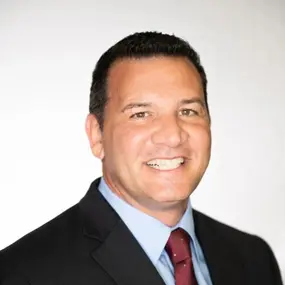
VP of Greentree Financial Group, Inc.
Robert C. (Chris) Cottone graduated from Florida Atlantic University with a Bachelor’s degree in Business Administration. Chris co-manages Greentree’s internal emerging growth fund and oversees the capital markets policies and procedures implemented by the firm including new project origination. Chris has experience working on new public listings, SPACs, bridge financing and PIPEs. In this role, Chris has been involved in several business combinations that have exceeded $1 billion in enterprise valuation.
Chris is also responsible for monitoring legislative activities effecting securities issues. With more than two decades of service to the business community, Chris has been instrumental in guiding the careers of many of the nation’s new entrepreneurs. Chris heads many of Greentree’s community awareness programs that contribute to the Global Vision maintained at the firm. He is a frequent contributor to various publications and periodicals and lectures to professional organizations.