Why DESPACs Attract Litigation and How Leaders Defend Themselves

Going public through a DESPAC puts companies under a spotlight most leaders underestimate. In this episode, we sit down with Jon Uretzky, founding partner of PULP Law Firm, one of the most recognized securities litigation firms in the microcap and small-cap markets. Jon explains why DESPAC transactions attract disproportionate regulatory and shareholder scrutiny, how SEC actions trigger cascading class-action lawsuits, and why FINRA’s Corporate Actions department can quietly derail post...


Going public through a DESPAC puts companies under a spotlight most leaders underestimate.
In this episode, we sit down with Jon Uretzky, founding partner of PULP Law Firm, one of the most recognized securities litigation firms in the microcap and small-cap markets.
Jon explains why DESPAC transactions attract disproportionate regulatory and shareholder scrutiny, how SEC actions trigger cascading class-action lawsuits, and why FINRA’s Corporate Actions department can quietly derail post-DESPAC plans. This conversation gives leaders an unfiltered look at what actually happens after the deal closes.
Key topics include:
- Why DESPACs face elevated litigation risk
- How SEC inquiries turn into shareholder lawsuits
- The danger of “obey the law” injunctions without waivers
- FINRA Corporate Actions and post-DESPAC delays
- Why cap table cleanup matters before going public
- How D&O insurance protects directors and officers
- What strong legal defense really looks like in public markets
If you are a founder, executive, or board member considering a DESPAC, this episode delivers critical insight you cannot afford to ignore.
Subscribe for more conversations on public-company discipline and DESPAC readiness.
YouTube Channel: https://www.youtube.com/@thedespacpodcast
THE DESPAC PODCAST STANDARD LEGAL DISCLAIMER
The DESPAC Podcast is for informational purposes only. The views and opinions expressed by the host and guests are their own and do not represent the views of Smooth Stone Capital, its affiliates, or any sponsoring organization.
Nothing in this podcast should be interpreted as legal advice, investment advice, tax advice, or a recommendation to pursue or avoid any transaction. Discussions may reference SPACs, DESPAC transactions, securities regulations, or public-company readiness frameworks. These conversations are educational in nature and should not be relied upon when making financial or strategic decisions.
Listeners should consult qualified legal, financial, and tax professionals before acting on any information discussed in this podcast. Any examples or scenarios mentioned are illustrative and may not reflect current market conditions or regulatory requirements.
Participation by a guest does not constitute an endorsement of any company, strategy, product, or service. References to specific firms or individuals are for context only.
Smooth Stone Capital and the DESPAC Podcast disclaim all liability arising from the use of or reliance on the information presented.
Chaz Churchwell: Chaz, your host of the D SPAC podcast, I'm today. With the legal defense guru, the guy who's a bulldog that you want in your corner, the one you wanna love to hate, but you're gonna pay him a lot of money to bail you out of a crap storm. I've got John Urky with me and John. I want to just kick things off by saying, man, how you doing?
It's, uh, it's Hanukkah, Christmas seasons upon us. How are you, brother?
Jon Uretzky: I'm doing good. I'm doing good. It's the best time of year. I say that all times of year, but yeah, I'm having fun right now. How about you,
Chaz Churchwell: man? I'm living the dream. Living the dream.
Jon Uretzky: Good to hear
Chaz Churchwell: it. Good to hear it. Trying to, trying to hit a couple of of year end goals right as we get towards the, the finish line and.
Fortunately, because we do a lot with SPACs, we've actually got a, a couple of SPACs that are going off last couple of weeks of the year still. So, um, I think we're gonna hit our goal. So I'm fired up about that and
Jon Uretzky: that is excellent. Well, I hope you get a break in too. I'll be honest. I'm going to Aruba for Christmas break and
Chaz Churchwell: come on.
Jon Uretzky: There you go. Fun too. Work is great, but take, take a little break at the end.
Chaz Churchwell: Have you been to Aruba before?
Jon Uretzky: I have. And I'll go back every time. It's amazing.
Chaz Churchwell: Okay. I like it. Okay. What's your favorite thing on Aruba? And then we'll jump in.
Jon Uretzky: Either one of the two beaches, but I'm gonna go with Eagle Beach.
Eagle Beach is just like nothing else I've ever seen.
Chaz Churchwell: Okay. Okay. Eagle Beach, that's the go-to in Aruba. I love it.
Jon Uretzky: Eagle Beach. You can't, can't go wrong.
Chaz Churchwell: So, let me ask you this, ma'am. Uh, in in the world of capital markets, most of the attorneys that I tend to come across are, are securities attorneys that they're doing filings, taking companies, public follow on offerings, raising money, and, and keeping the companies in their guardrails.
You step in whenever somebody perceives that they've gone off the rails and they sue 'em, right? So I wanna know. What, uh, what is it inside of you that says, man, I'm not the guy who wants to file papers. I'm the guy who wants to do trial and I want to mitigate and litigate and go crazy like that. What, what's in you that makes you say, I'm that guy?
Jon Uretzky: So I do have people at my firm who do that. I don't want to talk ill of those guys, but I will. Here we go. Watch me. So those guys aren't like the guy you see on TV when I was young. I watched law shows just like everybody else. I'm pretty old now, like you can tell I used to watch LA Law. You know what, they didn't show too much of people putting in quarterly, you know, filings.
They didn't, they didn't show somebody going on Edgar what they did. They showed somebody going into court and saying, objection. I wish I didn't become a lawyer. I wanted to be the shortstop for the Yankees. Derek Jeter took my job from me. This was my second choice. But if I'm going to be a lawyer, I wanna be one, like, like the guy you see on tv.
That's me.
Chaz Churchwell: Got it. So Red Sox fans, before you judge him for being a Yankees fan, just remember he wins more. So that's, uh, that's just love that about him. Okay. So I appreciate that man. So, alright. Um, what is it? You, you wanted to go and be a shortstop, you love baseball, but you ended up pursuing law. Um, what is it that made you get into this area, though specifically?
Jon Uretzky: Say the first reason was my inability to hit a curve ball. The second reason was I, I literally, I lied my way into this. Okay. I have no business being a securities litigation attorney. When I was in law school, I didn't originally know what securities litigation was. I had no idea what I wanted to be. I didn't have a job lined up.
And the way it works in law school is after your second summer, it's fairly important that you do get a good internship as a summer associate lined up and I didn't have one. And yeah, I was scared. 'cause they told you, you don't get that. You just spent all this money on law school. You'll never go anywhere.
And I took this course called Accounting for Lawyers only to get my grades up. It was an EZA and one day the professor. He goes, does anybody not have a job yet? And so a bunch of people's hands go up, you know mine too. And then he goes, is anybody here interested in securities litigation? My hand went up.
Does anybody here have experience in securities litigation? My hand went up. All of this is false. And I kept on putting my hand up and I was just looking at it at some point and that, but I had lied my way that far. I went up to see him after the class, and yeah, he set me up with an interview with an extraordinarily well-known securities litigation firm that had actually just won a case before the Supreme Court.
I got that job and I haven't looked back ever since, but I absolutely lied my way into this. I'm I, it's astonishing to me that I'm still doing it Now it's 2025 because I have no business doing this. It's weirder to me that most people think somehow I am, you know, the guy for this when I never wanted to do this to start and didn't even know what it was.
But you know what? You can get far lying in life.
Chaz Churchwell: I love it, man. I, I will, I I'm not gonna say that I love lying. Kids don't listen to that part of the story. That's not the moral here. It's, it's chasing after and being, uh, and being diligent to get where you want to go. I get that. I get that.
Jon Uretzky: Well, the trick is, once you lie, you have to make it stick.
What I actually did. I cut the next two weeks of law school and the reason I cut was so I could study. I actually got my friend who was a series seven licensed broker. I took his books that he had used to study for the series seven. I made myself really, really just so knowledgeable about all that stuff that when I went on that interview I did know a lot and when they started giving me things to do.
I was the best person in their firm. So if you're going to lie, which has served me well, as I just said, back it up, back
Chaz Churchwell: stop.
Jon Uretzky: Yeah.
Chaz Churchwell: So speaking of kids, let's talk about, uh, family dynamics. Like what, what's your family? Like you got a wife, kiddos?
Jon Uretzky: Yeah, I have a great wife. I've got these two great kids. Uh, they're two girls.
They're both in high school. If you know New York. We, they both go to Brooklyn Tech. Really proud of them. Uh, the younger one is on the Brooklyn Tech Varsity soccer team. The older one founded, uh, Brooklyn Tech Dance Company. So I have some really impressive kids. I was not that impressive growing up. Uh, you know, I don't know where they got it from.
I'd like to give credit to my wife, but I'm not sure she deserves it either. She's great. But no, the kids deserve a lot of the credit all by themselves. And you know, the other thing, like I just mentioned with the Lion, they're good at that too.
Chaz Churchwell: So I know that, uh, I, I know that I'm, my next question. I'm going to spare you and I'm going to go ahead and omit your, uh, your wife.
And because you have two high school daughters, I'm gonna go ahead and omit them from it because I have a high school daughter as well, and I know how that battle goes.
Jon Uretzky: Good luck
Chaz Churchwell: with that. Given what you do for a living, how confident are you your ability to win an argument with just about anybody?
Family, the ladies in your house excluded.
Jon Uretzky: Well, you don't have to exclude them. I cannot win any argument with my wife. I cannot win any argument with one of the kids, and most of the time I struggle even with the other one. When I get out in the world, when I get out and work, it is so much fun. The reason I don't have enough money to do this, but if I had enough money, why would I keep going?
It's because it's fun to have the ability to go out and just know that whatever context you're in, yeah, you can out argue that person. Unfortunately, that doesn't even work for me because there is one other person who's not related to me, who I also can't win an argument with. She's that much better than I am at arguing.
It makes her a great securities litigator. I made her my partner. She's also a partner in my law firm. Uh, her name is Anna Adelstein, and that's kind of the issue. When I'm at home, I can't win arguments, so I go to work because that's where I can. Theoretically win arguments, but if I come to work, Anna will be here, and then I can't win arguments again.
So if you see me just out on the street picking a fight with some random dude, it's because I want to feel good about myself.
Chaz Churchwell: Hmm. Okay. Well, I, I appreciate that and, and I can respect sometimes needing to, to boost and bolster your ego a little bit whenever you're feeling it down. I get that, man. So, okay.
Jon Uretzky: I mean, given everything I did growing up, I was excellent for college debate team. Even in high school, we did this thing called Model Congress. I got all kinds of awards. I started my law schools trial a. Program, which has grown into one of the best in the country against anybody professionally, against anybody in the world, I, I win.
It's a great feeling you don't know how bad it is to be that guy and lose every day at home and every day in your own office.
Chaz Churchwell: I, I tell my wife, I'm like, I'm like, honey, I don't know how it is. I, I close million dollar deals and people understand me, but yet I still can't come across and communicate clearly with you in a way that, that I can get my way.
I don't know. I don't know what it is, but I,
Jon Uretzky: I do have a kit for you. This may not be appropriate for this, but I'm gonna do it anyway. So as guys, we tend to have wives. Every now and then, it is possible that they will be, you know, angry about something. And the first thought in your head is, you know what I gotta tell her?
I gotta tell her to calm down. Right? But then right away you get the red flag. It can never tell your wife to calm down. So the next time that anybody who's watching this, your wife actually truly needs to calm down, don't tell her to calm down, that won't work. That'll blow up in your face. Instead, just say, I like your energy.
Chaz Churchwell: Interesting. It's an interesting approach.
Jon Uretzky: Give it a try.
Chaz Churchwell: So speaking of, uh, speaking of energy, um, let me ask this. So your law firm is P-U-L-L-P and pronounced pulp. Pulp. So Pulp Law Firm, um, you guys have got a solid reputation in the micro cap, small cap space. I, I want to know what is it that you feel sets you guys apart?
Jon Uretzky: You mean aside from the name
Chaz Churchwell: aside? Aside from the name? Yeah.
Jon Uretzky: I mean, yeah, just about every other law firm is last name, last name, and last name. And if you look at our last names, there's one good reason why we didn't do that. There's a whole story behind the name, but let's just say I kind of like it. Uh.
But that's not really what sets us apart. Like I said at the beginning, I do have people here who do the transactional work in the microcap space. If you want quarterly filings, of course we can help with that. You know, you're a direct listing candidate. Great. IPO. Sure. You're just doing a private. We have people who do that.
I don't know why I have been given this opportunity. Like I said, I fell into it being. A litigator and I got crazy lucky a few years after I started in about 2005. I had a very high profile case. It really put me on the map and I didn't make up the name. People just began calling me the microcap litigator.
And what I've noticed since then, it's been about 20 years since then, there aren't other microcap litigators. There are. I'm gonna say five people who can really, really do this at a high level the way we do. And you know, two of them are, me and Anna, I just mentioned her earlier. We're both at the same firm.
The other guys aren't bad, but they don't. Market themselves that way. No other firm that I'm aware of markets themselves to the Microcap community as we are the litigators, and it's turned into its own thing. It's not just marketing anymore. The people at the SEC, they know us as the microcap litigators, the people at finra, the people at nasdaq, everybody in the space.
If you are looking for a litigator, you just think pulp. If you get a subpoena from a regulator, you just think pulp. It's not something I ever designed that way. Again, when I was in law school, I didn't know what this was, and when I started my law firm 21 years ago, this wasn't the goal. I just wanted to make money.
I would've been happy doing anything. It turned into this. Honestly, it was organic on its own. Pulp has a personality of its own. Pulp has a mind of its own, and Pulp has a reputation of its own. I'm, look, I'm the luckiest guy to be along for the ride, but I didn't design this. But yeah, that's what sets Pulp Apart.
Pulp, unlike any other law firm, has made itself into the Microcap Securities litigators.
Chaz Churchwell: Yeah. And, and that is, that is a really good point. I mean, when I go to conferences, I know other people that are there that litigate, that are in the microcap community, but none of them really market themselves as that.
They're more generalist and, and what they're willing to take on. And I, I do know that you've stood out in that way. I appreciate that. Um, so let me ask. From a micro cap standpoint on a securities litigator perspective, what have you noticed with Paul Atkins taking over at the SEC that's, that's been really notable from, from your angle and position for and for that of your clients?
Jon Uretzky: So there's actually two significant changes that have come up ever since he took over. Uh, just, you know, broadly the two that strike me as the most important one is the change in the waiver application process. The other is the significant change to micro cap financing, which I'll call as getting rid of the dealer argument.
Um, should probably take those one at a time. It's a lot.
Chaz Churchwell: Yeah. Can we start with the dealer cases? Like what happened with that?
Jon Uretzky: Yeah, so for those who don't know, what happened was, well, the SEC, more or less in securities laws in this country were created right after the Great Depression. So in the thirties, you know, like a hundred years ago almost.
And for virtually all of history, since they were invented, everybody knew that there was what was called the dealer exception. Meaning you know it without knowing it. You don't need to know all the laws. If I told you Morgan Stanley, if I told you Merrill Lynch, they're a broker dealer to you, dealer is in that word.
What does that mean? That yeah, they help create a market. Okay. No one really thinks about that. Should they be registered? Of course they should. Should they be a FINRA member? Yes. Duh. Now, picture by way of contrast, uh. I don't know, a more or less broke guy in his boxer shorts, in his mom's basement who happens to just trade his own securities.
But he doesn't have a lot 'cause he's broke, basically can't even afford rent. So he, he trades two shares a day of his own. Is he a dealer? Because he's putting out shares into the market the same way Morgan Stanley is? I'd say no. For most of history, everybody knew that there was exactly like that, an exception for that guy.
It was called the Dealer Exception Congress in the 1930s called it the dealer exception. It just makes sense. It's common sense. You shouldn't require that guy in his boxers to register. You should require Goldman Sachs to do so. There is a significant difference. And then came COVID. I'll never know why.
It also happened to coincide with when, uh, chair Gensler took over and the SEC took a quite important different approach. Suddenly, everyone, everyone, if you put money into a stock and then sold it back into the market, you theoretically had to register as a dealer, but they didn't really mean everyone because they were only going after funders of.
A specific kind of funder debt, toxic debt, convertible debt. Those kind of people love 'em. I represent them. But the guys who do convertible debt funding to the microcap space, that was only who the SEC went after. But they were using that approach. They were saying, you are a dealer. They weren't going after Chaz Churchwell for no reason why.
What makes you different than those guys? What makes you different? Me, why not me? But they went over and they said, I am going to use this. There's no dealer exception for those who do lending to microcap companies using convertible debt. And there was case after case. After case after case.
Chaz Churchwell: Yeah.
Jon Uretzky: And eventually they were doing too well.
And as you probably know, for the past few years, you know, micro cap financing, it kind of dried up. Yeah, and that can hurt
Chaz Churchwell: than hard.
Jon Uretzky: A lot more people than they intended to. Maybe they intended to say toxic debt lenders are bad, but you know what? That company, the Pubco, who had six employees, those six people, they're not, they're out of a job.
That's not cool. There's competing arguments both ways. What I want to talk, talk about now is the real impact now that Atkins took over. He undid that. Right away, as soon as he took over, the SEC dropped all pending cases against lenders that lent in those way, and they didn't bring any more cases and have stopped completely arguing that the dealer exception applies to any, uh, that the dealer exception doesn't apply.
I'm sorry. What that means is microcap financing is now back to the way it always was, going all the way back to the 1930s. That changes the available avenues. There's. Always going to be difficulties, right? For any micro cap company that you can't just go into the bank and ask for a loan the way a larger company can, but having all available avenues of financing, they're back.
That's one of the major changes under Atkins.
Chaz Churchwell: And, and you've seen that, I mean, just the, the way that deal flow has really started to move again for capital markets, for public capital markets specifically, since that change has been really significant. Um, it's, it was almost, I've noticed a dry riverbed that all of a sudden has turned into a, a, a really healthy running river.
So, yeah. Let me ask about
Jon Uretzky: his back. Yeah.
Chaz Churchwell: Yeah. Um, what about waivers? You, you mentioned waivers, and I don't want to jump past that without acknowledging it.
Jon Uretzky: So that's actually one of the lesser known issues that people really, I think that's why you need a lawyer, and I think that's one of the reasons you need experienced securities litigation counsel.
Not enough people understand this when you settle a matter with the SEC. A lot of those cases I just mentioned, how do you just make the monetary costs go away? You settle easy and there is something. Called a obey the law injunction. That will come up a lot. So you agree to obey, obey the law in the future.
And that sounds fine, right? If I told you, Chaz, you're not allowed to murder people anymore, you probably would be okay with that. 'cause you're already not allowed to murder people. You're also not allowed to run red lights in the future. You see where I'm going with this? And obey the law injunction, forcing you to, in the future, not break securities laws.
You're already not allowed. To break securities laws.
Chaz Churchwell: Got
Jon Uretzky: it. So that sounds spectacular. And many attorneys, myself included, you often talk to clients and you say, you know what? You should do this. They're only asking for, let's say 20, $25,000 and just obey the law in the future. Right? It sounds like you would have to pay me 150.
Why would you not pay 25 and take the injunction?
Chaz Churchwell: Right?
Jon Uretzky: If, if you do that and then you don't get a waiver. What happens is if you then wanna do a transaction after the fact, it may get held up. It can get held up a number of ways. Sometimes the secs, other departments hold it up. Sometimes FINRA through its corporate actions, holds it up by pointing out to the fact, oh, you're a bad actor, is what they call you.
You go on a list, even if you have that injunction and. It can hold up anything. Right now I'm involved in a litigation where there's a company that just wants to do a simple name change, nothing more than that. So the board of a company wants to do a name change. Shouldn't it be able to do that? That sounds harmless.
It's not getting approved. You want to know why? It's because one of the company's note holders, a guy gave like 50 grand. That's it. So because a guy who gave 50 grand. Back in 2017, took one of those, obey the law injunctions with the SEC. They're saying, no, on your books, on your cap table, you owe $50,000 to someone who's a bad actor.
Therefore, no, I won't allow your name change.
Chaz Churchwell: Hmm.
Jon Uretzky: I think that's ridiculous. How do we get around this? So it's the process of a waiver. Now, the big change that happened when Atkins came in. Is the simultaneous waiver. Uh, what that means is it used to be during Gensler, we would've to agree first, we would first take that, obey the law injunction, and then apply for a waiver, hopefully, that we would get it.
If we get the waiver, all those transactions will go through. If not, they won't.
Chaz Churchwell: And
Jon Uretzky: now it's in
Chaz Churchwell: tandem.
Jon Uretzky: Wouldn't you wanna know? Yeah. At the time. Yeah. So that makes sense. What it's, it's not. The only thing it, it's just less coercive. It allows you to have full information at the time when you actually are negotiating your deal, and if that means that you say no to a deal, I like that.
The SEC now is being a little bit more transparent. They're not giving you any better or worse deal than they. Otherwise would've, but you have full information at the time you're negotiating and, and that's the other big change that we've gotten, uh, ever since Atkins took over. It's, it's a, it sounds like nothing.
It means the world for those further transactions, each pubco wants to do.
Chaz Churchwell: You know, and, and I think that this is where something where a lot of companies, they are overly confident private companies. If you were listening right now, you can do everything right. But there are some matters that are gray matters, and depending on who the investigator is, that's actually looking at your file.
Two investigators may not even agree. Two examiners may not even agree. Oh, on, am I right? Like so It's like you can, I've seen
Jon Uretzky: that a
Chaz Churchwell: lot. Who thinks that it should be the way you did it, and Jenna thinks that it should have been done a completely different way. And so now all of the sudden there ends up being something that's put out there on the SEC website and now all of the sudden.
Every attorney that wants to come after you and Sue is gonna be like throwing things out there saying, we are, we are considering taking legal action against this company. If you're an investor, please reach out to us. ASAP. And it's like the it, it's the regulators are literally teeing it up for these companies or for these, uh, investors to come after you.
Jon Uretzky: Yeah. That happens a lot. We call it the vicious circle. What happens is they end up. It circles. Well, let me explain how what happens is exactly what you're saying. There may be two examiners. One says X one says Y. You don't even know which one is accurate. There's no way to know. It's really just their opinions.
It gets put out there and yeah, the entire plaintiff's securities bar depends on things like that. So one guy. Puts it up an ad on his website saying, oh, we're doing an investigation into company X, Y, Z, and then everybody else. It's a domino effect. We're also doing an investigation into company X, Y, Z.
Well, if it was just one thing, no one would've cared. But now that you see that 12 different law firms, they're doing an investigation into X, Y, Z, well, if you are one of those people, you're like, well, it's free. I'll talk to 'em. It doesn't cost me anything unless I win. So you go and then suddenly there's an actual case.
Now there's a class action against you. And then because that next guy, he doesn't wanna lose that, he gets another person, he files a competing class action. Suddenly you have multiple class actions. How do you get to be chosen as the lawyer? 'cause it's all the lawyers who actually gets to have the lead plaintiff.
That's where all the money is. You get in bed with the regulators. So what do you do? You arrange for your plaintiff, the guy who contacted you to go talk to whoever that regulator was, the examiner who put out that initial information in the first place. It comes full circle at that point. Even if that regulator goes, yeah, who cares?
You have such exposure, you have such legal spend and your entire company, you know, whatever its prospects were before, they're not the same as they were.
Chaz Churchwell: Which d and o insurance, this is something to where you want to have proper coverage dialed in, protecting you on that because John, you're not cheap, right?
Like none of like legal defense is not cheap. It's seven figures. And if it goes like goes the mile, it can be eight figures to really get across a hump on something. And then you mentioned multiple class actions. Um, I had one client that they ended up facing securities, litigations on four fronts. They were headquartered in Texas, formed in Nevada, so somebody, and goes and sues them for securities litigation, shareholder litigation in Texas.
Then someone else tries to come Sue. They see that they're blocked on that, so they filed derivative in Texas. Then somebody else sees that both of those paths are blocked in Texas. So they went to Nevada and then they did securities, and then another one did derivative in Nevada, four lawsuits that they had to simultaneously defend.
Exhausting.
Jon Uretzky: That's possible. Yeah. It is it? It's all too common. Look, it benefits me because I get to make that money defending the directors or the officers, right? But what I would say is, you know, for anyone who's about to become a director or an officer of one of these companies, it is absolutely crucial that you make sure that there's a good d and o policy in effect before you join.
I would never recommend. That anyone I know become a director or officer of a public company unless there's good d and o insurance in place.
Chaz Churchwell: Yeah. Now
Jon Uretzky: and you also need multiple layers.
Chaz Churchwell: Yeah. Multiple layers. Yes. In fact, uh, I, I'll tell you right now, um, I've got a company that just came in that we, uh, we're putting terms together for, and they are, uh, they're a company that's out of Asia and they're doing a d SPAC with a US spac.
And so for them, their anticipated, uh. Their anticipated market cap is gonna be around 435 million whenever the deal is done. It's a, a smaller spac, but for them, um, like when we pull the data, they're like, really? How, how is it gonna be like that? Like, why do we need to have so much? I'm like, do you realize that nearly a quarter of all securities litigation in 2024 was D SPAC transactions?
Jon Uretzky: Yes, exactly.
Chaz Churchwell: They were just like, what? I was like,
Jon Uretzky: yeah, that's what gets looked at. Exactly. That's what I was getting at with company A and company B before. Company B would not have been the subject of anything. Company A would not have been the subject of anything. The mere fact that they joined through a SPAC shouldn't really move the needle at all.
But yeah, look at the numbers.
Chaz Churchwell: Ironically, I agree with you. It shouldn't because the funny thing is that I actually did, uh, did some research on Boardroom Alpha not long ago, and I realized that about a quarter of D SPACs. The company, the go forward company explodes and it's wildly successful. About a quarter of them are gonna turn into like a middle market and you're gonna have a quarter of 'em that are gonna go into, uh, they'll be upper end to upper end, small cap, mid market, you know.
Then you'll have a quarter that'll be, um, lower end small cap to a micro cap, and then you are gonna have a quarter of them that are gonna delist. Because they're just going to like, they're gonna end up just kind of crumbling into oblivion on their stock price.
Jon Uretzky: It has.
Chaz Churchwell: The funny thing is, is that that's not really all that different than what you see with a lot of other small cap and micro cap companies.
Jon Uretzky: Exactly. It, it, there's no. Going through the SPAC process and then going through the D SPAC process, it doesn't change the underlying fundamental things about the company that either make them worthwhile or not. Yeah. It doesn't make a company more likely to comply with laws. It doesn't make it more likely to be profitable.
There's really no change other than Yeah. Now the two companies have merged together, but the two companies are still the two companies. Uh. Why it leads to so much extra legal. I look like I said, I'm a beneficiary of that, but it shouldn't. It really shouldn't.
Chaz Churchwell: Yeah. Okay, so let's talk real quick because I know that whenever a company's going through a D spac, they're.
Focused on the S four, focused on the proxy. They're trying to get to the, to the reverse merger, and they're just like, they're, they're dialed in, in some ways, you might even say they, they become myopic, right? And it's, uh, just they, they are focused on what they need to get to the SEC, and I feel that a lot of times.
FINRA is something that they don't spend enough time thinking about the potential exposure and, uh, and big issues that could stem out of anything FINRA related. So could you talk about that real quick? Why do they need to be more aware of FINRA than what they typically are?
Jon Uretzky: So. There is the FINRA that everybody knows and doesn't love at all, and that's totally fair.
What people don't tend to know about is what's called the corporate actions department at finra now, finra. Has, well, yeah, a department solely called Corporate Actions, and that's exactly what they do. Once you're through your Ds, your D spac, right, you're presumably going to want to make some changes.
You're presumably gonna want to do something, you know, a reverse merger itself, a, like I mentioned before, a name change. You name it. Every run of the mill action that. A PUBCO has to do so FINRA has to review those and where it used to be for those sorts of errors that I mentioned before. You know, your, your board meetings weren't written properly or.
There was just an error and then when what they used to do, they would send you a deficiency letter and you would cure that deficiency similar to the comments you would get from the SEC.
Chaz Churchwell: Right, right.
Jon Uretzky: That's what used to happen, not even all that long ago, five or six years ago. You know, that was all it was, and it's still important to know that they have that review power, but five or six years ago it was okay.
FINRA has a comment. I'll respond to it, I'll fix it. Now what in my view they're doing is using it as another area of enforcement. Meaning if they don't like something about you, and by the way, that thing may just be that you've gone through a D spac. If they don't like something about you, they have the ability to just hold you up completely.
I, yeah, it's, you know, I'm gonna use that same guy with the 50 thou. He's not. You know, involved in the one I'm thinking of now. But yeah, if they just don't like one of your board members or they don't like someone who has, you know, lent money to the company or they don't like some of your, your shareholders and not even the larger ones, just, I don't like one of your shareholders.
Somebody with let's say 5% well. Is that a reason why FINRA should, I don't know, hold up a transaction, hold up something. Yeah, like a name change, whatever you wanna do. Any think of any run of the mill corporate transaction? It seems wrong, but they have the power to do it and because they have the power to do it.
You sitting on a board, you an investor, whatever you are, you think that when the board goes, has a vote. Takes appropriate action, notifies everyone has a meeting that whatever the, the board decides will happen. That's not necessarily true because FINRA has this other department and they can gum up the works really for any reason or no reason at all.
And yes, it can be what you guys came out of a deep DPAC process. And then frankly, as the lawyer, I don't, I shouldn't be saying this, I don't always know what to do there. You know the answer is, yeah, so what? They came out of a dsac and you know, and you're kind of waiting, right? But what happens in the meantime is time goes by.
Eventually I'm going to prevail and I'm gonna push through whatever corporate action the board wanted to accomplish. But the delay, oftentimes with the companies we work with, what we find is that Post d spac, you know, the people have a lot planned. They have. An entire project, you know, set out months ahead and when one thing gets delayed, that causes other things to get delayed.
So FINRA's gumming up the works. Just because you came out of a D spac, it can actually derail an entire company's plan.
Chaz Churchwell: So let, let me ask this, is there anything that these private companies can do? Um, whether it is. Shoring up governance, um, improving communication, making sure that they're having solid conversation and following the direction of their IR team.
Like what is it that these private companies that when they are the go forward public company, what is something, anything that they can do? To help to mitigate that problem. 'cause obviously you can't make it go away. FINRA's gonna do what FINRA wants to do, and, and FINRA is run and operated by people.
And if somebody's having a bad day and you're in their way. Then God had mercy on you, right? Like it's just sometimes you're just in the wrong place at the wrong time. But like, but there's gotta be things that these companies can do to really set themselves up better. Um, whereas some may just be very laissez-faire.
What can these guys do? What can these gals do to get their team, um, lower propensity of FINRA's, uh, corporate action department coming after them?
Jon Uretzky: So look, it's, we call it the cleanup. We do it. Other law firms do it. Uh, part of it though, is what you just said, as much as I think legal can help, a lot of it is the communication, which you already hit on.
If you reach out early and communicate with FINRA in advance, you may not know enough information. So you always might, you can't always do so, but if you know what you wanna do, you can reach out early. And if you have. You know, representatives working with you that know people, for example, yes, I know the people in FINRA's, corporate actions department, who would be making those decisions anyway.
If I were to reach out and say, Hey, I work with this private company, they're about to go through a spac. At the end of that, you know, I don't know how much info I would have going in, but I could get some guidelines and I'm guessing here what the woman who I'm thinking of at finra, what she might tell me is.
Tell you what, make sure that every single one of those board of directors is clean. That's the word they like to use. Make sure that there's no large shareholders who aren't clean. Make sure that there's no note holders who aren't clean. Take a look at the cap table. You'll know what it should look like.
And as much as, yeah, I have more experience in that than a lot of other people. I think everyone who's actually, you know, paying attention to this podcast, you all have a sense already of what that means. If there is a lot of bad actors and they are in some way affiliated with your company, you need a new board or you know, you need to find a way to buy them out and get them off your cap table.
If you have people who in general are, you know, lightning rods for regulatory attention, find a way to move them out. Maybe they can still be a consultant, but you know what, they shouldn't be CEO. Which I've seen a lot. So we call it the cleanup, largely because that's the word that FINRA tends to use. I don't think it's fair.
I don't think that. If they were pressed in a lawsuit that they would prevail. But given that, like I said before, just the, the delay from gumming up the works with this review, just given the amount, uh, of harm that can do to a company's plans after it, uh, merges and exits, you're going to want to communicate as much as possible as you can before and clean up in advance of, you know, exiting in the first place.
Chaz Churchwell: So I could just see, I could just see now somebody saying, Chaz, doesn't that put a spotlight on us? Aren't they now gonna all of a sudden be looking at us when they wouldn't have before? Like No,
Jon Uretzky: they would. They would before. They
Chaz Churchwell: would, they were gonna be looking anyway.
Jon Uretzky: So I'll tell you why. Um, I think I've mentioned it.
They're gonna be looking at you. I. It's the whole concept of this podcast. It's a d spac. If you are going to D spac, you have that spotlight, that spotlight on you Now, should you? Of course not. It's silly. I, I don't understand why it makes sense and I've been doing this a long time. But that's spotlight is there.
You come, you, you go through the SPAC process. You de spac, your spotlight is there if you know that they're gonna be shining a light on you and they're gonna be looking. Every single crevice what you're gonna do, you're gonna wanna clean up in advance, and you're going to wanna communicate in advance.
Chaz Churchwell: It's you, you are illuminated def facto, like Yeah, I get it. That's a, a great response. Okay, so let me ask this. I wanna, I want to close by asking just one final question about kind of you and pulp and then. Um, one, like one business question and then just one personal question for people to kind of get to know John A.
Little bit better. So for the business, let me ask you this. Um, I obviously you're like well known for MICROCAPS and small caps. Uh, what do you feel your pitches for a d SPAC company that is, uh, that. That's all of a sudden finding themselves in a position to where they need legal counsel to defend them.
What's your 32nd elevator pitch?
Jon Uretzky: You are worse off. Without us, you're not going to find another firm that actually does what you see on tv. And sometimes that's necessary. The fact that everyone who will look at you after you dpac, they're gonna shine that light on you. They know who we are. That reputation alone sometimes makes you slide through more easily.
Everyone there respects us, everyone at these places, despite what we do, they will tell you we are their most polite, professional adversaries. Everyone we work with at the SEC, everyone we work with at finra, at the exchanges, they will say, these guys are tough, but they are always friendly. They are always polite.
Clients don't love that. They want me to yell. They want me to scream. It's the reputation that you get. It is. I wish I could say it's the experience, but I have people who work here who are phenomenal, who haven't been here that long. I'm just an old dude. It's that people in regulatory positions, they know pulp, they know me, but they know this firm and they're going to not necessarily let you slide by with problems.
Things that are problems will be squared away more quickly and more easily as a result.
Chaz Churchwell: Alright, now here's my personal question for you.
Sure.
Chaz Churchwell: We started off early in our, in our talk, talking about, uh, arguing and being able to debate with people. If you could go and debate with anyone in history, not even necessarily because you wanna win, but just because you think that it would be phenomenal, who would you debate?
Jon Uretzky: That is a great question. I'd never thought about it before and I think I would go back really, really, really far, probably to ancient Greece. Um, who in particular? Uh, one of those guys like Socrates maybe. But as I understand it, and I might be wrong about this, you're putting me on the spot, but they invented, you know, democracy.
They invented the idea, uh, that has taken hold. Not only, you know, in the country, but just, you know, in business that for the most part, just like with shareholders, you have a shareholder vote and those people, they vote and that's how you get board members. Those board members then appoint the officers.
That all comes from whoever invented the kind of crazy idea that let's just see what everyone here has to say and let's give everybody a vote. Because I gotta tell you, it doesn't make sense. If you're a person who you know don't, you don't have to listen to everyone else. Why would you do it? I think that there are times where it doesn't work out great, not politically.
I'm talking about for companies where maybe you don't want to give every shareholder a vote, but it all stemmed from that. I wanna debate, let's pick Socrates or Plato, one of those guys and say, Hey. I want you to understand what this has done in business. This isn't just some theoretical thing we do in politics in Athens, knowing what it does in business, would you still create democracy?
I want that, and I want it to be, yeah, let's go with Socrates. He sounds like a good guy. I wanna debate Socrates, and that's my topic.
Chaz Churchwell: I like it. I like it, brother.
Jon Uretzky: Go ahead. I'll give you one more. Yeah. I also wanna debate with you sometime, and the topic is gonna be peanut butter or jelly, or the topic can be heads or tails.
That'll be what I debate against you.
Chaz Churchwell: We'll make it happen, man. We'll make it happen.
Jon Uretzky: I'd love to. It'll be fun.
Chaz Churchwell: Everybody. We're here with John Urky with Pulp Law Firm Legal Defense Counsel for securities litigation. My name is Chaz Churchwell with Churchwell Insurance Agency and this is the D SPAC podcast.
Make sure you subscribe and go ahead and follow us online. All the best. Have an amazing holiday season.
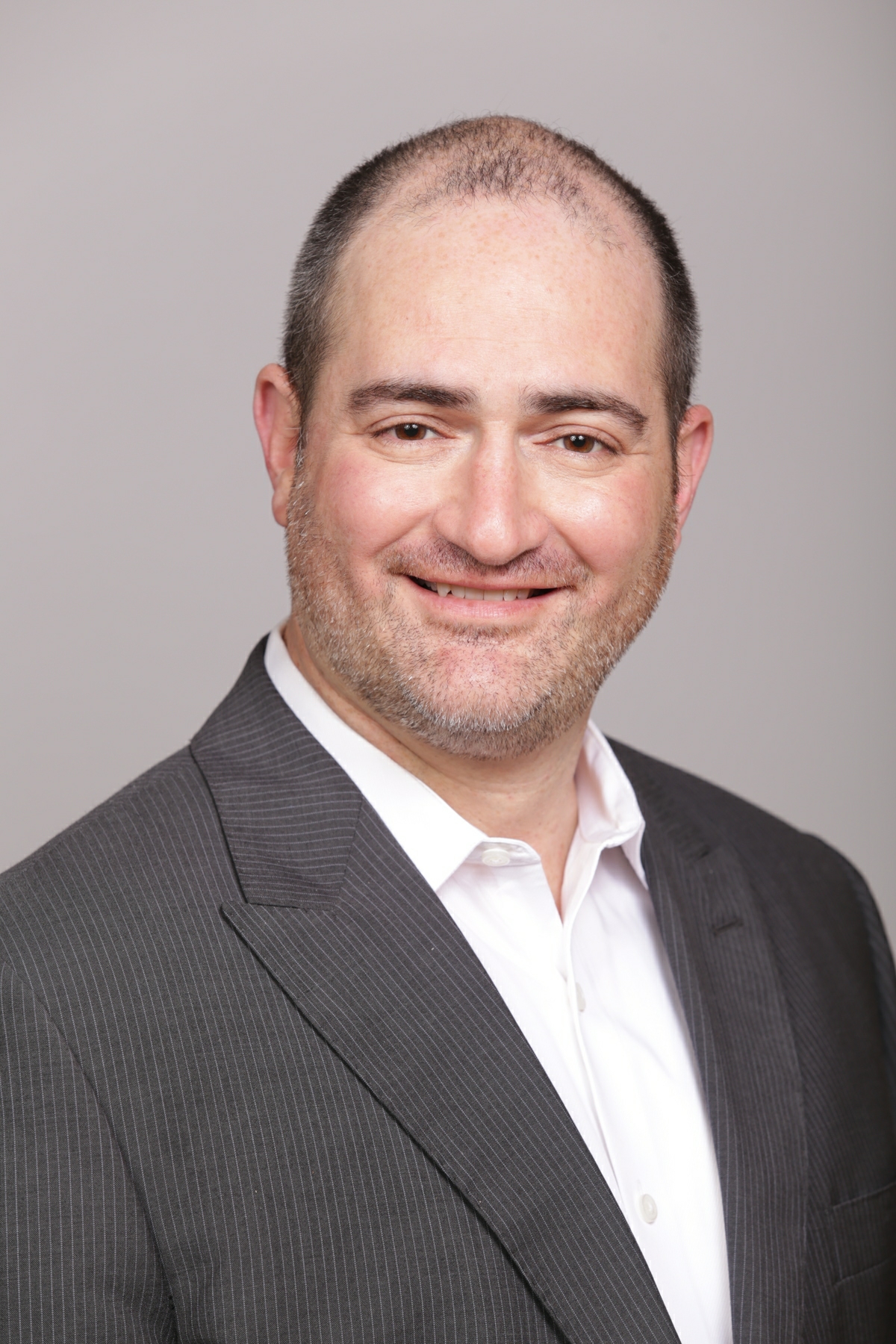
Partner, PULLP
Jon Uretsky's practice is focused on securities litigation, including the resolution of civil disputes in federal and state courts, as well as in various dispute resolution forums. His practice involves representing both public and private companies, and their officers and directors, both in shareholder class actions and shareholder derivative suits. These matters involved accounting irregularities, fraud, corporate governance malfeasance, the creation of supermajority shares, as well as other transactions that implicate officers' and directors’ fiduciary duties. Mr. Uretsky also has extensive experience representing financial institutions in arbitration proceedings, in a number of forums that have included FINRA (formerly the NASD and NYSE), and the CBOE. These arbitration proceedings have run the gamut from simplified arbitrations to large and complex proceedings, and have also included intra-industry arbitrations seeking injunctive relief. Mr. Uretsky's practice also concentrates on the representation of hedge funds, public companies, stock promoters, investor relations firms, investment advisors and broker-dealers in regulatory matters before the SEC and applicable SROs, and in the white-collar context before the U.S. Attorney's Office.