The 3 Non-Negotiables Every DESPAC Target Must Show Today with Alex Weniger-Araujo & Shahrooz Shahnavaz
McGuireWoods partners Alex Weniger-Araujo and Shahrooz Shahnavaz on the SPAC 4.0 era and the three non-negotiables every DESPAC target must show, from PCAOB readiness to a real 'why public' thesis.


Key Takeaways
- 'You can't be a SPAC and a DESPAC at the same time.'
- Every DESPAC target must show three non-negotiable traits in the SPAC 4.0 era.
- PCAOB-qualified financials cannot be an afterthought.
- A real 'why public' thesis separates serious targets from liquidity-event founders.
- 'Tax-free' is a myth; deferral is how DESPAC tax structuring actually works.
"You can't be a SPAC and a DESPAC at the same time." That's the line from McGuireWoods partner Alex Weniger-Araujo that captures everything wrong with how most private companies approach going public.
In this episode, Chaz sits down with Alex Weniger-Araujo (Capital Markets & Securities Partner) and Shahrooz Shahnavaz (Tax Partner & Co-Leader) of McGuireWoods — two attorneys with over 100 SPAC and DESPAC transactions between them. They unpack the SPAC 4.0 era: the institutional discipline, regulatory reset, and three non-negotiables every target must show today. A practitioner-grade conversation for SPAC sponsors, target CEOs and CFOs, securities counsel, and institutional investors.
What We Cover:
- The 3 non-negotiable traits every DESPAC target must show in 2026
- Why audit readiness and PCAOB-qualified financials cannot be an afterthought
- The "why public" thesis that separates serious targets from liquidity-event founders
- Tax structuring: why "tax-free" is a myth and how deferral actually works
- Cross-border deal complexity and US/foreign tax treaty implications
- Co-registrants on the S-4 and F-4 — what target executives are signing up for
- Fairness opinions, exchange listing requirements, and legal pre-work that prevents delays
- Earnouts, forward purchase agreements, and backstops to manage redemptions
- Hot sectors right now: AI infrastructure, data centers, energy, space, and health tech
- Why the third or fourth earnings call matters more than DESPAC closing
Connect with Alex Weniger-Araujo:
McGuireWoods: https://www.mcguirewoods.com/people/w/g-alex-weniger-araujo/
LinkedIn: https://www.linkedin.com/in/galexaraujo/
Connect with Shahrooz Shahnavaz:
McGuireWoods: https://www.mcguirewoods.com/people/s/shahrooz-r-shahnavaz/
LinkedIn: https://www.linkedin.com/in/shahroozshahnavaz/
Protect Your Transaction:
Churchwell Insurance Agency specializes in D&O, E&O, representations and warranties, and public company liability for SPAC sponsors, DESPAC targets, and post-merger companies.
https://www.churchwellagency.com/
Follow The DESPAC Podcast:
https://www.thedespacpodcast.com/
https://www.linkedin.com/in/chazchurchwell/
https://www.youtube.com/@thedespacpodcast
The DESPAC Podcast is proud to spotlight The SPAC Conference, happening June 9–10 at Westchester Country Club in New York. Host Chaz Churchwell will be speaking alongside leading voices across the SPAC and DESPAC ecosystem. If you’re considering going public through a SPAC, this is a must-attend event. Learn more at https://spacconference.com/
THE DESPAC PODCAST STANDARD LEGAL DISCLAIMER
The DESPAC Podcast is for informational purposes only. The views and opinions expressed by the host and guests are their own and do not represent the views of Smooth Stone Capital, its affiliates, or any sponsoring organization.
Nothing in this podcast should be interpreted as legal advice, investment advice, tax advice, or a recommendation to pursue or avoid any transaction. Discussions may reference SPACs, DESPAC transactions, securities regulations, or public-company readiness frameworks. These conversations are educational in nature and should not be relied upon when making financial or strategic decisions.
Listeners should consult qualified legal, financial, and tax professionals before acting on any information discussed in this podcast. Any examples or scenarios mentioned are illustrative and may not reflect current market conditions or regulatory requirements.
Participation by a guest does not constitute an endorsement of any company, strategy, product, or service. References to specific firms or individuals are for context only.
Smooth Stone Capital and the DESPAC Podcast disclaim all liability arising from the use of or reliance on the information presented.
Frequently Asked Questions
What does DESPAC target readiness require?
McGuireWoods partners Alex Weniger-Araujo and Shahrooz Shahnavaz describe three non-negotiable traits every DESPAC target must show in the SPAC 4.0 era, including audit readiness with PCAOB-qualified financials and a credible 'why public' thesis that separates serious targets from liquidity-event founders.
Is a DESPAC tax-free?
Shahnavaz says 'tax-free' is a myth in DESPAC structuring and explains how tax deferral actually works, including cross-border treaty implications.
What is the biggest misconception about going public through a SPAC?
Weniger-Araujo's line is 'You can't be a SPAC and a DESPAC at the same time,' capturing how private companies misjudge the process.
Who are Alex Weniger-Araujo and Shahrooz Shahnavaz?
Alex Weniger-Araujo is a Capital Markets & Securities Partner and Shahrooz Shahnavaz is a Tax Partner and Co-Leader at McGuireWoods, with over 100 SPAC and DESPAC transactions between them.
00:00 - Meet Alex Weniger-Araujo & Shahrooz Shahnavaz of McGuireWoods
04:22 - Why the SPAC Wild West Era Is Over: Welcome to SPAC 4.0
05:38 - The 3 Non-Negotiables Every DESPAC Target Must Show
09:59 - Why Tax Belongs at the Table Before the LOI
15:07 - "Tax-Free" Is a Myth: How Deferral Actually Works
23:14 - SPAC Killers: Valuation, Earnouts, and Managing Redemptions
27:50 - The New Normal: Co-Registrants, S-4s, and Hidden Legal Pre-Work
32:14 - Fairness Opinions and Exchange Listing Realities
36:07 - Hot Sectors: AI Infrastructure, Energy, Space, and Health Tech
41:47 - Why a Mid-Market Firm with Big-Firm Resources Wins DESPAC Deals
47:31 - The Closing Question: What Market Signal Should a CEO Watch?
53:13 - When Should Founders Bring Tax Counsel In?
Chaz Churchwell:
What's going on, everybody? It's Chaz, your host of the DESPAC Podcast, and this one is gonna be epic. Make sure that you're tuning in. And real quick, if you haven't already done so, hit the subscribe button so you can make sure that you're not missing what we have coming down the pipeline. So today, I've got two just MVPs to put out in front of you. Uh, we've got Alex and Shahrooz. They're from McGuireWoods. This is a juggernaut Manhattan law firm that, uh, even though these guys are with a juggernaut firm, you might think that you're not gonna get the love, attention, and white glove treatment at those big firms, and that they're just gonna maybe try to crush you with pricing and things like that. I think that you'll be amazed when you see the bullpen that these guys bring along with them and the value that they present. So, um, I just ... It's a completely different angle from any of the guys that we've had on the show before. Alex, Shahrooz, fired up to have you here. Thank you. Uh, why don't you do me a favor. Each one of you just kinda take a moment, share a little bit about who you are and what you love and value as being part of the SPAC team that you guys have created at McGuireWoods.
Alex Weniger-Araujo:
Sure. Thanks, Chaz, and, and thanks so much for having us. This is a tremendous opportunity. We really appreciate it, uh, and obviously love working with you and, and looking to continue that, uh, you know, as, as our business progresses here. Um, so my name's Alex Mundigoraaho. Um, I am a partner here in the capital markets and securities group at McGuireWoods. Um, I have been, you know, practicing in the SPAC space, uh, you know, for, for, I would say, over a decade now. Um, you know, I, I got pulled into this, uh, at, uh, two firms ago by, uh, a veteran SPAC player who I will not name, uh, on this, but I'm really thankful for his, uh, for his intent in pulling me in, uh, originally. Um, and, you know, look, two firms later now, having the depth and breadth of experience, uh, and having done SPACs all this time, uh, was really happy to partner up with the juggernaut partnership here at McGuireWoods, uh, to be able to marry the, the tremendous mid-market experience, uh, that this firm has and be able, being able to execute on transactions with our depth, uh, of experience in the SPAC, uh, ecosystem. Um, so happy to be here. Um, Shahrooz?
Shahrooz Shahnavaz:
Sure. Uh- Thanks, Chaz, for having us. My name is Shahrooz Shahnavaz. Uh, I'm a partner here at McGrath Woods as well in the, uh, tax department. Um, Alex and I actually go back, uh, one job. This is our second, uh, workplace together. Um, we worked for many years together at our previous, um, firm, which, as Alex mentioned, specializes on SPAC transactions. And we were very fortunate to bring our expertise and our camaraderie and our, um, vast experience here to our new, uh, our new home.
Chaz Churchwell:
I love it. And, and just so you guys know, specifically for Alex, um, Alex worked with the law firm that was doing the highest volume, and then before that, worked with the law firm that was doing the second-highest volume as of late on SPAC and DESPAC transactions. And so, uh, between him and Shahrooz, I just want all of you to know that this is really a dynamic team that you have between these two. Guys, real quick, tell me, uh, kinda how you're a one-two punch on the, like, on the SPAC, DESPAC process, particularly for the DESPAC side.
Alex Weniger-Araujo:
Sure. Uh, thanks for that, Chaz. You know, look, we, uh, have the tremendous benefit, particularly with the experience we have at the firms that we've worked in, of having executed on well over 100 of these transactions, whether it be from the SPAC IPO perspective, uh, through executing on successful DESPAC transactions and, and frankly, getting through some of the most challenging, uh, situations from a regulatory perspective, from, from an exchange listing perspective, uh, from, uh, f- frankly, transactional execution perspective. We've seen it all, uh, in, in, over the course of this last decade, and we have been put through the ringer, frankly. As I, you know, told our associates and senior counsels at our last firm many, many times, what a tremendous time to learn, right? Because of the number of challenges that we were faced with. So, you know, look, we're in a different environment today. Uh, we are, we are bringing the breadth and depth of that expertise to the table here. And, you know, w- we, we're looking at a new environment where hopefully we're not gonna be so challenged and constrained, right? Uh, but we also have the benefit of the fact that the market as we see it has also matured. So it's a great- Yeah ... combination and confluence of, of events that, you know, lead to today. We bring the tremendous experience and can execute, uh, tremendously, uh, on successful DESPAC transactions.
Chaz Churchwell:
Shahrooz, um, uh, before you, before you kinda jump in on that, uh, I really just want to kind of address, you talked about, um, really just where the SPAC market is right now and the, the ecosystem. So, um, I'd love to ask either one of you, just kind of one-two, tandem, um- Like, we've kind of moved past this growth at all cost type of era that we were in. Um, so with, from your advantage, like, your vantage point that you guys have over at McGuireWoods, what are three to four of the, the traits that are really non-negotiable traits that a private company has to exhibit for a SPAC team to be interested in them right now, for them to really be viable? Because what SPAC teams are looking for is really quality, top-tier deals right now. So I'd love to hear from each side of you
Alex Weniger-Araujo:
Yeah, Alex, go for it. Sure. So look, um, look, they, we're in a place now, thankfully, okay, where the Wild West era of 2021, right, 2022, even beyond that is over, a- as I like to see it. I mean, yes, there are a couple zombies, uh, s- for, for some reason still in existence from, from that time, but really that era, we see it as being largely over. And, you know, look, we're, we're in what we would consider the SPAC 4.0 era, right, which is characterized very much by, by much more institutional discipline. Um, so y- I'll highlight really three things that I think are really important for, for target companies to consider here, right? Uh, the first thing is really that a target, you know, has to be prepared to show a clear path to profitability, right? Um- Yeah ... so rather than just projected growth, right? The, the, the, the idea of projected growth is, is a thing of the past, right? That just doesn't work today, right? Um, the second thing is, and you'll hear me probably say this, uh, depending on, um, depending on, uh, you know, what, where we slot in with the various questions, right, that you might ask us, but you'll hear this theme again and again. Audit readiness, okay? Preparation of financial statements, right, audit readiness, right? The company has to be prepared and has to have foresight, right, when it comes to, you know, the need to prepare public company grade financials, right, that are gonna be required. And, you know, look, I, over the past couple of years, one of the biggest challenges I've seen, you know, comes from, you know, financial statement preparation and readiness. Because what ends up happening is that there's a rush to try to get to an LOI, the SPAC team wants to sign, right? Particularly in the era that we just experienced where, um, SPACs were looking, you know, frantically for, for any target they could come across because they were running out of time. So they would take anything under the sun, right? And a lot of these private companies were nowhere near prepared, right? Had, had no preparation, right? Had not even started the process of preparing their financial statements, right? So it's absolutely key that there's a view to preparing those financial statements, you know, engaging with auditors, PCAOB qualified auditors, right, early on. Right, so that they can get that process going so that it's not, you know, a start and stop game, right? Where you sign the LOI and then it goes silent, your deal goes silent because of the fact that the financial statements are not ready to, to, to follow with the filing of the F4 and the, uh, S4. Um, the third thing, uh, that I'd like to highlight is, you know, y- the why public thesis, right? What is the compelling reason for which the company needs to be public? Uh, you know, and that, that this will be its competitive advantage, right? For example, if there's a viewpoint towards using stock for future M&A transactions, right, versus this just being a liquidity event for the founders of the company. Right. Because I think that's a tremendous trap, right? Um, where, where that's the only, uh, viewpoint that, that, uh, you know, that the, uh, target company teams have.
Chaz Churchwell:
Yeah. So true on that. Um, so, uh, Shahrooz, I wanna bring you into this. Yes. And two things. Absolutely. One, I, I gotta ask you, man, because of the fact that, um, like you were talking about before we, before we went live on this, um, we... You were talking about how we got the same barber. I saw... I gotta ask you a question, man. You're a tax attorney. Did, did you lose the hair whenever you were specializing in tax law, or did it come before that? Because I could imagine- Yeah.... studying
Shahrooz Shahnavaz:
tax law- Exactly what happened.... could make you- Tax law made me lose my hair. That was, that was the price to pay. Um- That was
Chaz Churchwell:
the price.
Shahrooz Shahnavaz:
That was the price to pay. Got it. I had a full set of hair when I started law school and when I finished law school, but it started, and then I got into really doing tax, uh, after law school, and that's when it started. Exactly.
Chaz Churchwell:
Oh. So, so if, if you guys don't know Shahrooz, he, uh, like, he went to Vandy for law school, but then he went to specialize, kind of the way that a, a doctor might specialize in orthopedics or cardiology or something like that. He went to specialize in tax, and why anybody would ever do that, God bless you, I don't understand it. But tax was the path. And if you're gonna do tax, where better to be than in Washington, right? DC. Exactly. So he went to Georgetown and, and specialized over there. Um, and so man, I just, yeah, I, I just envision that that was where it would just all of a sudden start falling out, and you're like, "Oh no, it's happening."
Alex Weniger-Araujo:
100%.
Chaz Churchwell:
100%. But, um, but yeah. So, okay, so real quick, let's talk from a tax perspective, like, what is it you bring as a tax specialized attorney that these private companies looking to go public and considering a SPAC as the vehicle to do so-
Shahrooz Shahnavaz:
Mm-hmm... Chaz Churchwell: what is it that makes they should be really dialed in on? Sure. So this is my third wave of SPACs. Um, I, I, I am, I've been practicing longer than I'd like to admit, but, uh, when I was a much younger associate at a, at a very big New York law firm, um, I think we can mention it, it's long, long enough, uh, that it's public, um, Skadden Arps, which is, um, you know- Uh, not a small shop, and, uh, this was the second or third wave of SPACs, you know, the, since the ni-late '90s. And back in the day, there wasn't a lot of tax structuring. It was basically a very streamlined process, very volume-based, as Alex indicated, even more so than in the, in the wave that Alex and I worked on, uh, intensely. And so there was more of a filing obligation. The, the, the emphasis was on getting the tax disclosure language correct. So it was more of a, um, necessity because it's part of the filing that Alex and his team have to put together for the SEC. There was another short wave in the 2015s or so that I, uh, was a part of, but then it really took off again, and this is the wave that I think was the most, um, impactful, which is the one that started in 2019. And there, it quickly moved from the first few years where it was similar to the previous wave of just volume, as Alex indicated, less focus on targets. Tax structuring was not the emphasis, uh, early on, to a much more selective process, and that's where we are still today, where tax is really... If it's not, it really should be at the forefront of everybody's, uh, thought process along with cap markets and M&A because- Yeah in the end, the founders, if they're not completely cashing out, they don't want a liquidity event that results in a huge tax bill. And so the, the key here- Right ... is, right, the key here is to structure the deal in a way where it's tax deferral on the founder's side. And if it's a very complicated deal, of which Alex and I have done more than a few, you really have to prevent tax implications on the SPAC side as well,'cause it, it could be a situation where if you don't pay attention, if you're not experienced, and you don't do this for a living, or often enough, you could have tax liabilities on both sides, and that's something that's basically a no-go, right? It, it ruins the transaction. So, so tax, as is always the case with M&A, has become a cornerstone of SPAC, uh, practice because you really have to ensure as these deals get more complex, and Chaz, I'm sure you've, you've, you've had p- uh, guests on your show, and you've, you, you, you, you're, you're an expert in the, in the field. These deals have gotten a lot more complex because they've gotten cross bo- you know, international, and they, we've gone cross-border. And now you're adding not just tax law of the US, but you're adding the layer of tax law that has to do with US and other jurisdictions. Sometimes we have a treaty, sometimes we don't. Sometimes our laws sort of work together, sometimes they're absolutely disjointed. And so we really have to pay attention to ensure it's an optimal tax structure.
Chaz Churchwell:
Man, so, uh, that's so good. I appreciate you saying that. One thing that I wanna make sure that we, we give some clarity on it,'cause I have a feeling that whenever it comes to- people and taxes for th- these business owners trying to figure out, "How do I mitigate as much of this tax exposure as possible?" Um, I, I'm sure that you have their attention. And so you talk about deferring tax. Now, if, if you simply defer it, all you're doing is kicking the can down the road to make it a problem later. Like, what is it you're... I, I've got two questions. Number one is, what is it you do? Like, are you breaking it up, or are you just making it a problem to be contended with later? And then, uh, and then secondly, one thing I think it would be great for people to know, because you, like, you get an attorney, they start working with you through the DESPAC process. You guys, you kinda give, like, a budget range to where you think things are gonna fall from a pricing perspective. Does that include you doing this tax work for them, or is that this whole other ancillary thing? And how does... You've been with multiple practices. What's that usually like at these other practices? Like, what are, what should they be looking for to make sure that they've got all of this really figured out and dialed in from a budgetary standpoint? So budgetary component, and then also the deferment component.
Shahrooz Shahnavaz:
Sure. So, and that's, to add to what Alex was saying in terms of readiness for, for, for, um, going public and going SPAC, and also is it an appropriate target. You know, Alex and I have dealt with situations, um, where the target was not an ideal candidate, e- whether we were on the target side or on the SPAC side, because in addition to all the things that Alex talked about which they hadn't met or hadn't achieved, uh, um, their tax structure was also not in a place that was conducive to a SPAC deal. Yeah. Um, they had restructured recently. Their tax advisors were not on top of the game. They, their, yeah, their wrong structure. Um, you know, those are things that become an issue in the SPAC transaction. So that's a, a side. So to answer your questions, I don't like to call it tax-free because that's a misnomer, right? Unfortunately, as you know, two things are certain in life, right? And so, sure, is there a way at the individual level to play with, legally, to play with deferring tax so much that you don't pay it in your lifetime, God forbid, and the next generation has a much better tax break through trust and estate planning? Uh, yes.
Joshua Wilson:
Right.
Shahrooz Shahnavaz:
That's not the subject here. Um, subject here is avoiding tax as much as possible under the, under the legal construct that we're subject to, uh, at both the company level and the shareholder level. So people forget that. We- we're dealing with C corporations on both sides.
Joshua Wilson:
Yeah.
Shahrooz Shahnavaz:
Sometimes we're not. Sometimes we're dealing with a target that's not a C corporation, and Alex and I have to get very creative to make it- work for a SPAC, and that's not an eas- that's, that's a tall order. And that's where the ta- that's where this gets fun. And you're right, people look at me and say, "You seem so normal. How can you be a tax guy?" But, um- You know, everybody has a crazy side, right? So, so, so the fun part is figuring out how to fit something that's not supposed to fit into this construct. And so-
Chaz Churchwell:
Yeah... Shahrooz Shahnavaz: if it's a you've failed at your job. That's, that's not what sh- supposed to happen in a SPAC transaction. If it's a tax at the shareholder level, because they are cashing out to some extent, that's where it gets fun, that's where the, um, the complex structuring occurs. What we're trying to do is avoid having a situation where founders are cash poor because they're getting stock in, in the SPAC, but are faced with a huge tax bill because the government, rightfully so, comes and says, "Look, you built this company. There's a lot of built-in gain. You're now cashing out. I don't care you're not getting cash, you're getting something of value," which is the SPAC share, and actually we know exactly what's that, what's that worth, right? Um- Yeah ... so now pay the piper. And so that's... there lies the challenge. We have ways, when you've done this long enough, we have ways of avoiding that tax bill for now. Of course, if in 5 years, 10 years, the founder is exiting, and that's it, there is an absolute exit, you sell your shares on the market, private sale, whatever, there is no more stake in the company. You've actually liq- l- you know, liquidated your interest, there's gonna be a tax. But let me ask you this, do you rather pay a tax now, especially with no cash, and you have to use your own cash, your savings, or would you rather pay in 10 years where you're actually at the peak, hopefully, and you're maximizing value when you're cashing out, right? Time value of money aside, nobody wants to pay now, everybody wants to pay later. So I call it tax deferral because calling it tax-free is misguided, is, is, is, is a misguided approach, right? There are some things that are free, not much under the, um, Internal Revenue Code. I promised Alex we're not gonna mention any code sections. So we're not mentioning any code sections, but there are, there's a few, there's a few ways of completely avoiding tax, but M&A transactions are generally not one of them. So, um, there's gonna be a tax if you exit completely. The key here is avoiding tax at the onset when you're doing the transaction that, the DESPAC transaction that Alex and I would be either structuring for you on the, on the target side or helping you on the SPAC side, because it's a very collaborative effort. When it comes to tax, M&A in general has to be collaborative. It's not a, it's not a combative situation. It can't be. Even though we're all type A, we all wanna get the best for our clients, at some point, Chaz, we have to come together to the table and say, "Look, not a zero-sum game. It's not a litigation. There's no winner and loser. We all win if we get the deal done, we all lose if we don't." So with the ominous backside, I have to be cognizant on the founder's tax issues. They're not my client, but I have to be aware of it because if I structure into something that doesn't work, and they have competent counsel, the deal falls through, right? So we have to be collaborative, and we have to budget it, budget in tax because if not done properly, it, it skews the numbers to the point, as Alex has seen, where the deal doesn't make sense anymore. So- So it has to be budgeted in... Chaz Churchwell: so you guys, you of a proposal out to people and letting them know where you think things are gonna fall, you do account for that tax mitigation and tax strategy baked into it?
Shahrooz Shahnavaz:
The, the better- Yeah ... teams do. Alex does. The better teams do, yes. As if-
Alex Weniger-Araujo:
I'll, I'll, I'll just jump in and also add, you know, I, I think, Chaz, you get to a really great point. I mean, obviously you see the, the tremendous experience that, that, you know, Shahrooz brings to the table. Oh, 100%. And, and this is a, you know, tremendous, uh, resource that we have. We're so fortunate, uh, you know, that we're partners with him and not anybody else. Um, and that we have him on our side. But y- yeah, I mean, you bring up a really great point. I mean, we think about ourselves when we're s- you know, preparing a proposal, right, for a, a potential target company who's exploring going through a DESPAC, uh, we're giving them a proposal that includes everything, soup to nuts, right? It's not, you know, that we're just quoting on the securities piece, right? Or we're just quoting on the M&A piece or, you know, all of a sudden you find out that there's a legal opinion that, you know, you have to get and, you know, you can't do that in-house, right? We, we're everything under one umbrella, and when we're thinking about, you know, putting out a budget for legal to prospective, uh, clients, that's how we think about it. We think about it holistically, and we can provide everything under the sun. Uh, there may be things where, you know, for example, uh, we're, we're not Cayman qualified, right? A lot of SPACs today are, are Cayman counsel. Are, are, uh, Cayman, uh, companies. And so there are instances like that where we might have a one-off where we do need Cayman counsel, for example, to advise on corporate aspects, right? But outside of that, everything else we handle under our, our umbrella.
Chaz Churchwell:
I appreciate that. No, that's really valuable, and if you're a private company looking at going public through a SPAC, this is something to where you need to make sure that as you m- as you go out and market for legal counsel, that this is one of those variables. What is it gonna... Like, what does it look like for you to have Cayman built into that, to have tax attorneys built into that? Make sure that you're really getting, as Alex said, the soup to nuts kinda pricing for where you should be landing on all of this. Let's switch gears real quick. I wanna talk about, um, w- what you might wanna say are SPAC killers sometimes. Uh, talk about valuation and redemptions. So I've talked about on this show many, many times about how valuation- Can just be a major risk factor if not handled well. You go too high, you get sued from one side. You go too low, you get sued from the other side. And it's finding that right, harmonious price and, like, and deal structure that makes everything come together. So, and then when you do that, two things happen. You're able to mitigate your risk exposure from litigation and regulatory reach. But then also, you, uh, position yourself to where you can hopefully mitigate redemptions, which are a very real problem in the SPAC ecosystem right now. What are some of the things that you guys are doing for levers that you pull to help your clients, um, mitigate these two SPAC killers, redemptions and valuations?
Alex Weniger-Araujo:
Sure. You know, Chaz, let me, let me start with saying, you know, we think about redemptions as being a feature, right, and not a bug, right? And so it's a matter of making sure that, you know, you're managing redemptions through execution certainty. And I think part of that starts with making sure that you have the right team of advisors, uh, advising you along the way. Um, I think, you know, especially when it comes to valuation, having a, a tremendous set of bankers or financial advisor, right, who's guiding you, um, you know, on that piece of it, right? So that you can come, uh, to what is a reasonable valuation, right, um, you know, for the market to be able to absorb properly versus going all out and just trying to maximize, right, what that number looks like. It tends to not end well, uh, for, for companies- Mm ... once they complete their transaction. But stepping in a little bit further and beyond that, right, I would say that there's, there's a couple different tools. I'll highlight two of them. Um, one of them is, you know, just comes down to- Um, when it comes to setting the valuation, right? You have a founder who's dead set on a certain, in what might seem like an astronomical valuation, right? It's not to say that you can't get them there, but there are tools to be able to get them there in a way that will make it, uh, palatable, right, for the market. And one of the things that you can do is by, um, introducing earn-outs, uh, as part of the structure, where basically the base compensation for the deal is set at a, at a lower amount, and then you have a series of earn-outs that are earned based on performance of the company over a period of time, right? That seems to be a structure that works much better, rather than going out and saying that you're looking for that, that huge valuation right from the, from the get-go. Um, another tool, you know, specifically more to, uh, you know, mitigating redemptions, right? If that's ultimately a, a major component and goal of the deal, uh, is with the use of forward purchase agreements or, or backstop agreements, right? Um, you know, so you have agreements that can be put in place where essentially there's an investor that believes in the transaction, and they're coming to the table and saying, "Okay, well, uh, we're agreeing, right, at the time of closing of the business combination to buy a certain amount of, you know, securities of the combined company, right? To give certainty to the transaction." Yeah. Right? So, you know, obviously they step in the shoes of some of the redeeming shareholders. Um, m- more than that, you know, uh, y- you might look to, um, you know, when you talk about some of these investors that we're, that we're, I'm discussing here, you might look to bring, uh, more strategic corporate investors, for example, people who are in the space, uh, who might know, you know, the, what your company does much better and who, you know, believe in the thesis there. So, um, those are some of the ideas, right, uh, to be able to- Excellent ... to handle this. Yeah.
Chaz Churchwell:
No, I appreciate that. I appreciate that. Um, so let, let's go into a new, uh, a kind of a new normal kind of conversation for where things are, where things were versus kind of where things are now. We talk about new normal as this term kind of as- As, uh, a lot of people started saying that when COVID hit, that our new normal was here. But kind of in the SPAC ecosystem, we've slid into a new normal for what we are now. And so you've got SPACs that you've got safe harbor provisions that got removed, all these different things. They're now more in line with traditional IPOs. Um, there's this hidden legal work that's there. And, like, and targets, a lot of times they're not looking at prep work to get things set up and to really set the table for a successful go public, right? Uh, we see it all the time to where they're like, "Oh, we wanna go public," and they've got a truckload of revenue, everything like that, but, but they just weren't ready, um, from a, a standpoint of structure and, uh, things of that nature. So I'd, I'd love to hear from both of you. I feel like you probably have something to contribute on this. If you could take maybe two minutes each and really unpack what the new normal looks like from a, a structure standpoint on a DESPAC transaction.
Alex Weniger-Araujo:
Sure. I'll, I'll go ahead and start if... Um, so, you know, look, I think we're in a really great place where thankfully, right, uh, you know, since the new administration started, there's a new administration at the SEC, you know, the, the SEC rules have reached what I think we would consider to be, uh, a steady state, right? At least for now. Yeah. Right? Uh- Yeah ... hopefully we, we stay here, uh, for, for a little bit. Uh, and that's been, you know, tremendously beneficial. But a couple things that, you know, companies, I think, need to think about, uh, you know, on, on this front, right? First of all, um, uh, compared to traditional IPOs, right, like, there was always this thought that, you know, the SPAC was a backdoor to be able to getting there. Right. Right? But from a regulatory perspective, you know, um, target companies, target company executive teams need to think about the fact that, number one, um, they're gonna be co-registrants on the registration statement. So on the S4 or F4 that is filed, right, to register the securities, the merger consideration, um, the target company is now going to be a co-registrant on that registration statement, which means that, you know, the executive team, right, CEO, CFO, are going to be on the hook just as if they were, you know, signing an S1 for a traditional IPO.
Chaz Churchwell:
Yeah. So real quick before you go further on that, uh, just as a stopping point, I've, I've mentioned this once before, but in case listeners didn't catch that episode, it is critically important that you, at, talking as a D&O insurance guy, it's critically important if you're a private company, you need D&O as a private company before that S4 and F4 filing hit. And the reason why is because if you wait later down the line and get D&O insurance once you're finally public, then what you're gonna find is any securities litigation or regulatory events that come and, uh, and rise up that deal with that S4 filing, coverage is gonna be precluded from that, and you could find yourself floating some extra legal and subsequently settlement or judgment expenditures or fine expenditures that may have been covered on your D&O program that now won't because there's what's called a pending and prior date. And if you didn't have any D&O coverage at all until you were public, then that's when your pending and prior date starts, as opposed to if you had it before there was ever a public filing, it puts you in a better situation because now you have a pending and prior date that affords you some coverage going back to that event. So, sorry to interrupt on that, but please, Alex, keep going, man.
Alex Weniger-Araujo:
No, I, I think that's a, I think that's a really, really great point, right, to highlight for people the importance of that because I think sometimes, uh, frankly, in the mix and complexity of these transactions, D&O sometimes is not the first thing that bubbles to mind, right, as you're looking at They're, they're, they're looking at
Chaz Churchwell:
dollars. So- They're not, they're not looking at- Right ... they're looking at what they can make, not what they can keep. Right.
Alex Weniger-Araujo:
Yeah.
Chaz Churchwell:
So 100%.
Alex Weniger-Araujo:
So, you know, look, going back to this discussion about, you know, other aspects from a regulatory perspective, the legal pre-work, that thing that, that companies need to think about, right, um, you know, projections, you know, and the scrutiny that comes with projections is a really big topic I think now because now we're no longer seeing these hockey stick type projections, right, um, that are not otherwise rooted in, and frankly, some sort of reality, right, uh, with the foundation to be able to support them, right? Um, to go along with this, you know, as we started doing a couple years ago, uh, we started advising, you know, boards, particularly SPAC boards, right, who are considering target company, uh, target companies, uh, to go out and get a fairness opinion, right? And a fairness opinion is absolutely key to, you know, this part of execution of the deal, right? That fairness opinion should come prior to the board, you know, agreeing to move forward with the transaction, certainly prior to signing the merger agreement. Um, you know, it's absolutely key. Um, from there, you know, some other elements, you know, background legal work to think about, you know, has to do with the company structure, right? Um, I'll talk very briefly about, um, exchange listing, right? There has to be some thought to what the shareholder base is gonna look like and whether the shareholder base of the target company combined with the SPAC and the resulting, you know, uh, combined company is gonna be able to meet the, the listing requirements of the exchange. Countless times we've seen companies go through a process, and that seems to be an afterthought, right? Um, and, you know, this goes back to making sure that you absolutely have, you know, counsel that knows what they're doing with these things, uh, right from the get-go so that they're not taking you down a path that, that doesn't work. Um, one other thing on background le- legal work, and Sherrez will jump in here, right? I mean, you know, just what we've been talking about, you know, to, to tax structuring. Uh, Sherrez, if you wanna jump in on a couple points there, um-
Shahrooz Shahnavaz:
Yeah. Yeah, so, um, it- it's really critical that the target confer with their current tax advisors and ideally tax counsel to ensure that they're really in a place where they can do an M&A transaction. Oftentimes that's an afterthought, um, as Alex and I have seen all too many, you know, too many times. And there's really a lag now because preparatory work wasn't done, something that could have been done fairly swiftly before you enter into negotiations and transactions or, or right during, wasn't done until afterwards. And so we've seen delays by sometimes months, um, as you may recall, Alex. And, and, uh, significant costs incurred to get opinions, to, to go to the IRS sometimes even for, for cl- uh, for clarity. All of that delays the transaction, which is already not, um, you know, sometimes delayed by SEC requirements and so forth. So you don't want to add another unnecessary delay that could have been avoided by, by proper, um, tax planning and procedure. So, uh, and that really ties into the M&A transaction in general, right? There is, there is, there are cor- uh, legal and corporate issues that need to be addressed, um, um, before you really execute the transaction, and ideally before you start negotiating. Um, so those are things that we look at when we're on the target side. And truth be told, we, we... Like I said, it's very collaborative, so if we notice things on the SPAC side, even though, again, it's not our client, because it would delay the deal, there have been many times when, um, the, the team and I have reached out to the target and said, "Look, not to, uh, to, not to, uh, intrude on your tax advisor's, uh, um, authority here, but you may wanna think about these issues." And that has usually helped, uh, avoid an unnecessary delay.
Chaz Churchwell:
Appreciate that. Appreciate that. Let's, let's jump over to something that this is, uh, uh, I had a call this morning that it just had me laughing Um, I was talking to a family office, and they're talking about a, a deal that, uh, it's, it's this company that is energy. And this energy company was, uh, they... Shocker, an investment bank promised them the moon, and then, uh, for an IPO, and then all of the sudden the investment bank is now saying, like they were telling them, "Oh, you're a billion dollar valuation that we're, like this is gonna crush. We're gonna raise you, um, easy 100 million, 150 million, maybe 200 million," whatever. Now they've come back to them and said,"Hey, we don't think that we can close the book on 85 million." And they're like, "Why?" And they're like, "Oh, market conditions." And they're like,"But energy today, i- if not now, when?" Like, and it, it's just one of those things to where you're just like, "Wait, what?" So, so there are, there are just... There are specific sectors that, like, because keep in mind, these guys, they're an energy company, but they uniquely have a crypto component, a Bitcoin component to their company, which all of the sudden makes them go from being like just right down the center of the lane to, to being off and just to the side a little bit, right? There are sector specific, like, movements that are really happening in the SPAC ecosystem right now. And, like, whenever this family office is telling me about this, I'm like,"Dude, these guys, like, they, they would crush it and really get their best valuation and payday on a SPAC." And he's like, "I know, but they, they just think that they really need to do an IPO. They, they haven't come back down to earth from what this guy promised them." Mm-hmm. Mm-hmm. And so, but he's like, "But I think that they're starting to get there, and they're starting to see it's just not gonna be what they thought that it was." So, but what is it you're seeing in the SPAC markets right now to where there's just this resurgence or maybe just this first time powerhouse movement forward? Um, what kind of sectors are you seeing that are just crushing right now?
Alex Weniger-Araujo:
Yeah, sure. Um, you know, look- 2026 has definitely been, I think, a very huge play on what I would call infrastructure playbooks, right? Uh, the biggest one of these being, you know, the AI pivot, right? There's no question about it. That is, that is the hot sector. But, but when I talk about AI pivot, I'm not talking about AI applications, right? That has its place, but that's not where, where the excitement is right now. It's AI infrastructure, the less sexy aspects of it, right? Data centers, right? Uh, cooling, power. When it gets back to this discussion of energy that you were talking about, yes, energy, you know, ex, uh, Bitcoin or crypto, right? Right. Those are, those are exciting, you know, uh, sectors right now, right? And, and, you know, SPACs are ideal for these types of, of companies. Um, you know, I think from a little more of a lofty perspective, we're also just seeing a lot of excitement, um, you know, following on the tail co- on the tails of, like, the SpaceX IPO, right? That, that there's a lot of talk about, right? Um, you know, that space, uh, you know, may becoming a really interesting and viable, uh, sector, uh, for de-SPACs, uh, moving forward, uh, as well. Um, in addition to that, you know, I think health tech is always interesting. Um, energy, like we said, uh, before already. Um, you know, not specifically tied to these-
Chaz Churchwell:
Wait. Explain health tech, though, because, like, I, I think that it's really important for, uh, like, for somebody that's out there, like, I mean, obviously it's remarkably different if you've got some company that's just pre-revenue pharma versus a company that's out there to where maybe they've created a robot that has the ability to go in and eradicate cancer or something crazy. Like- Whatever, like, whenever you say health tech, can you unpack really what, what you think kind of fits in that box?
Alex Weniger-Araujo:
Yeah. I mean, I would say it's companies that, that definitely have a proven revenue model, right? N- this is not just, you know, companies that are pre-revenue that we're talking about here, right? Okay. It's, it's companies that have, you know, a place out there that... You know, it just goes back to the thing, take the whole discussion about health tech specifically as a sector away and, you know, the, the bones that have to be underlying this have to be the same, you know, as for any company that, you know, would ideally be going one of these, through one of these transactions. So it's a company that has a proven model that works, uh, where they're generating revenue, right? And can make, you know, a solid case for becoming a public company. Uh- Yeah ... you know, I'll take a quick opportunity and, and talk about one of the, some of the exciting things, uh, you know, about joining McGuireWoods. You know, look, we have a tremendous healthcare private equity and finance practice here, right? Mm-hmm. In fact, we host our own McGuireWoods Healthcare, uh, you know, private equity and finance conference, which was just last week. Shahrooz was there. Yeah. Um, you know, we have tre- a tremendous number of attendees that come to that. Uh, we, we're major players in the energy space. Um, you know, we have this expertise in-house, which is absolutely tremendous as well, and, and part of what we package in as part of the deal, right? Bringing that expertise to the table.
Chaz Churchwell:
I love it. Okay. So you, you mentioned McGuireWoods. Like, I know that when we started this conversation, that I kind of touted the fact that you guys are a really large firm, and you are. Um, what do you feel are the advantages why a private company that's looking to go public through a DESPAC process should pick you?
Alex Weniger-Araujo:
Yeah, sure. Uh, you know, look, moving to McGuireWoods was not an easy decision. Uh, moving to any firm was not an easy decision, right? Uh, it was, it was an incredibly calculated decision, uh, to want to, to make a move. I mean, I was at my last firm for, for five years. Uh, I was at my firm before that, I can't remember the exact number, but, you know, a large number of years, right, as well. So, you know, for any lawyer, right, I'm not gonna say every lawyer. Uh, for me, y- you know, um, now in my, um, you know, lawyer phase, uh, I'm not entirely risk, um, chasing risk, right? So, um, you know, this had to be a really calculated decision. But- You know, look, we found a ready, willing and wanting partner, right, in McGuireWoods in the McGuireWoods partnership to want to bring in the SPAC vertical, which is something that they felt was, was missing from the arsenal here. Right? There's a, a tremendous and deep bench of, of capital markets practitioners that do everything under the sun. Um, you know, but they didn't have the SPAC vertical, and so they always found that clients who were already working with McGuireWoods, um, even institutional quality investors who were looking to do SPACs in the past, uh, had to go outside of McGuireWoods because the firm just didn't have the expertise. So we found an opportunity here, uh, and it was originally charted by, by my partner here, Shahrooz, uh, who, who made the, uh, the leap, uh, last summer, um, and found, you know, a tremendous home here. Um, and, you know, this all started from the perspective of we had started discussing about, you know, an opportunity to be able to branch out and establish and found our own practice, right, um, at, at a, at a reputable firm, you know, that we knew could help us accelerate this practice. We found a home here, right, that not only is enabling us to continue on with our, with our solid work on the securities and capital markets side, but it brings in, you know, uh, the res- the depth of resources, right, that, you know, a firm this size can bring. Not only tax, obviously. As you can tell, I mean, there's a reason why Shahrooz, uh, and I are on here, right, um, together. Tax is such a major component to executing on a successful DESPAC transaction. But then there's a whole host of other experts that we need to, to come to the table. Whether it's labor and employment, whether it's IP, whether it's other regulatory aspects. I mean, I mentioned our, you know, our depth of experience in healthcare, in energy. Um, you know, there's all of that tremendous experience and heft that we have under this one umbrella. Mm-hmm. And we're so thankful to have that because, you know, to get the resources that, you know, we know we have here, uh, typically takes going to a, an incredibly even larger firm than here that has substantially higher billing rates, uh, which, which, you know, is not, we know is not ideal for, um, you know, SPAC and DESPAC transactions. Um, so, you know, uh, long and short of it, we found a ready and willing partner and, and we're really excited to be here because of all these things that I've, I've mentioned. Shahrooz, I don't know if you wanna, if there's anything you wanna add to it.
Shahrooz Shahnavaz:
Yeah. I think, look, um, I mean, you said it perfectly, but it, it was really a very unique opportunity to, um, create something special at a place that is at a very interesting point where it's, as you mentioned, l- large, it's part of the largest firms, but not so large where the fees become so astronomical that- Mm a lot of the deals that we would be working on would be phased out Uh, and, and just wouldn't make sense anymore. It's really at that point where you have, you know... It's kinda like Chicago. You have New York feel, New York size, but you ha- still have a, sort of a Midwestern community sense. It's really the, the, you know, the, um, confluence of a nimble, adaptable law firm that has the resources of the much larger firms, even larger firms, as Alex mentioned. Because as, as good as our old place was, and as voluminous and as, as many deals as we, we have done together, and they continue to do, and we wish them the best, of course. Um, as these deals become more complex, we often found that we, while we have the SPAC and cap markets and tax expertise, we were tapping out a little bit on the more less relevant but still necessary, um, practice areas. And so here we find those resources easily available. As, as Alex mentioned, we have the pre-eminent, um, healthcare practice in the nation, along with maybe two or three other law firms. I just got back from the pr- from the, uh, conference, which was impressive. Uh, over 1,000 people in Chicago. Um, and so we bring together, you know, vast resources, but have the flexibility to be a nimble player.
Chaz Churchwell:
I love that. So, okay. Um, Shahrooz, I already asked you a, a more lighthearted question. I'm, I'm gonna hit Alex with one, just because I, I'm a big fan of believing that people love to do business with people that they like. And so Alex, you're a dad, and I wanna ask, when you... What, what was scarier, becoming a dad a couple of years ago, or stepping out from under the wing of somebody else and starting this SPAC practice? Which one do you think is legitimately scarier?
Alex Weniger-Araujo:
Wow. Um- Good
Shahrooz Shahnavaz:
question... Alex Weniger-Araujo: that Leading question.
Alex Weniger-Araujo:
That's really tough, uh, because I've gotta tell you, I think back to the day that, that we walked out with, uh, with the baby. Uh, and uh, we literally walked out of the hospital and it was literally like, "Wow, wait. You're actually letting us leave?"
Chaz Churchwell:
Training wheels are off.
Alex Weniger-Araujo:
Yeah. So, um, you know, and that continues, by the way, to be a tremendous opportunity and adventure, and I'm so thankful for it every single day. In that same way, I mean, I, I think about this in, in a similar way. Di- different, but similar, right? Um, you know, look, I spent the last basically almost decade of my life, right, at two of the most well-known franchises in this practice area. And- You know, um, I would absolutely be lying if I said that I didn't think that there was some element of, of, you know, me that said, "What am I doing?" Right? Um, you know, leaving so-
Chaz Churchwell:
Yeah... Alex Weniger-Araujo: something know, um, you know, more certain. But, um, I think it was a calculated risk, calculated decision. You know, m- my career has had many iterations. I, I, right out of law school I started as a banker on Wall Street, right? I've worked with some of the largest firms on Wall Street. Um, have had a life as an entrepreneur, um, where I've been hat in hand asking, you know, investors for money. And I think that, you know, these prior experiences really come together in my third career, right, which is law now. Uh, you know, amazing to say that 'cause most people do it the opposite way. But, you know, all that experience comes together, uh, and has allowed me to really think about these transactions and to be in the seat, uh, you know, in the same shoes as, as our clients, right? The entrepreneurs who are out there making transactions happen. And, you know, it, from that perspective, you know, I looked at this as being an incredibly calculated decision where, you know, w- we had a ready and willing partner who was excited about doing this, and it was a tremendous opportunity from that perspective. It was hard to say no. Love it. So here we are, and, uh, we're excited about what's ahead. Okay, here's the closing question for you guys. If a CEO is on the fence between doing a SPAC or staying public 'cause they know that they don't fit in that tidy little IPO box, um, what is the market signal that they should be looking for right now to pull that trigger?
Alex Weniger-Araujo:
Well, my general advice on that is, is this. A- m- timing the market, in my opinion, is a fool's errand. I mean, I'll tell you, that's the s- same advice I give myself. It's almost like when I think about during COVID, uh, you know, I had a little bit of, a little bit of time, extra time on my hands since we couldn't go out and do things, so I decided to open a trading account, uh, a- and decided to see if I could time the market myself, right? Uh, I, I put $5,000 of my money in that trading account to see how I could do. Uh, I think five years later, I still have, like, 2,000 of the 5,000- ... you know, that I originally had. Timing the market is, is a fool's errand, and, and I think that plays true to any, um, you know, company, private company executive out there that's considering going through a DESPAC, uh, opportunity, considering a SPAC, or even going through the traditional IPO route, right? I think it really just comes down to determining, um, you know, whether you've done the pre-work to be ready to be able to be a public company, and we've talked- Mm ... about all those things, right? Yeah. Um, you know, here. So from that perspective, I would say it's less about market timing and about whether the company is ready- Right? A couple other things to consider. You know, look, SPACs now are what we would consider a, a, you know, a, a more mature asset class, right? Yeah. It is a true and viable path to, for companies to be able to go public. And so I think, you know, finding, uh ... not being scared of, you know, prospective opportunities with a SPAC, right, to go public. Mm. We've seen some recent successes that have ended up really well. But it really comes down to making sure that you're also partnering, uh, with, you know, the right team on the SPAC side, right? Uh, who is gonna be ready to help you execute on that DESPAC transaction and to ultimately your, your public company status. And from that perspective, you know, look, um, one thing that I always like to highlight for, um, for company executives is that, y- you know, this isn't a situation where you look at closing of the DESPAC transaction as, as, you know, the line in the sand where you can, you know, um, celebrate and, you know, that's your marker of success, right? It's the third or fourth earnings call that happens post the DESPAC, uh, closing, right, that really matters, right? Um, it, it's, it's about changing the mindset from, you know, getting a SPAC deal done to thinking of yourself as a small to mid-cap growth stock, and what that means for your company for the future. So it's focusing on those things and, uh, a- and, um, making sure that you're ready to do it. Those are the signals, I think, um, that- I like it ... people need to think about.
Chaz Churchwell:
No, that's, that's good wisdom. That's good wisdom. And, uh, and then, Shahrooz, like, 20 seconds. Like, let me ask, when should they start talking about tax? Is it after the, after they negotiate, while they negotiate, or two years before they even start talking to a SPAC? How soon?
Shahrooz Shahnavaz:
The moment they start thinking about doing anything outside of the ordinary course of business, tax should be factored
Chaz Churchwell:
in. Absolutely. Love it. I love it. Everybody, hey, this is Chaz. I'm with Shahrooz and Alex from McGuireWoods. Been a great time talking to you guys. Wonderful to be here. If you're listening right now and you want the highlight reels for the DESPAC podcast, make sure you check out our YouTube page to where we post all the highlights on there. If you don't wanna, or if you don't have time to go to the full podcast episodes, make sure you go to, to YouTube, hit the DESPAC podcast up in the search engine. Easy to find. Subscribe there. I'm your host, Chaz, with Churchwell Insurance Agency, but more importantly, I'm here with you today on the DESPAC podcast. Till next time.
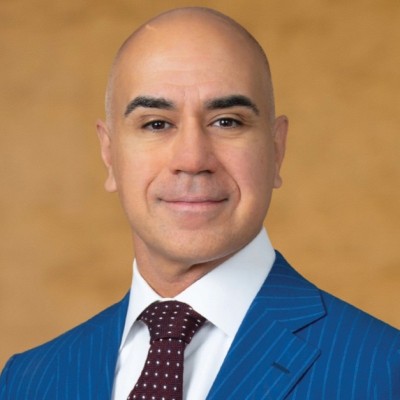
Partner and Co-Leader
Shahrooz co-leads the firm’s Tax Practice Group and serves as a trusted adviser to strategic and corporate buyers and sellers, private equity firms, and family offices, providing tailored legal counsel across a broad range of industries, including biotechnology, manufacturing, information technology, retail, media, entertainment, and real estate. With a dual focus on transactional tax and corporate matters, he guides clients through all stages of complex transactions, from pre-letter of intent negotiations through post-closing integration, with a particular emphasis on domestic and international tax structuring.
Drawing on deep experience, Shahrooz regularly advises clients on deal structure, negotiates key tax provisions, and drafts a variety of core transactional documents, including merger, stock purchase, asset purchase, and membership interest purchase agreements. His practice also includes the preparation of partnership and LLC operating agreements, as well as technical tax memoranda addressing nuanced federal and international tax issues. Known for his pragmatic approach and deep tax knowledge, Shahrooz helps clients balance business objectives with legal and regulatory compliance.
In addition to his practice, Shahrooz is actively involved in the academic and professional tax communities. He has served as an adjunct professor at Loyola University Law School, where he has taught corporate tax, and is a member of the Planning Committee of the USC Gould School of Law Tax Institute.
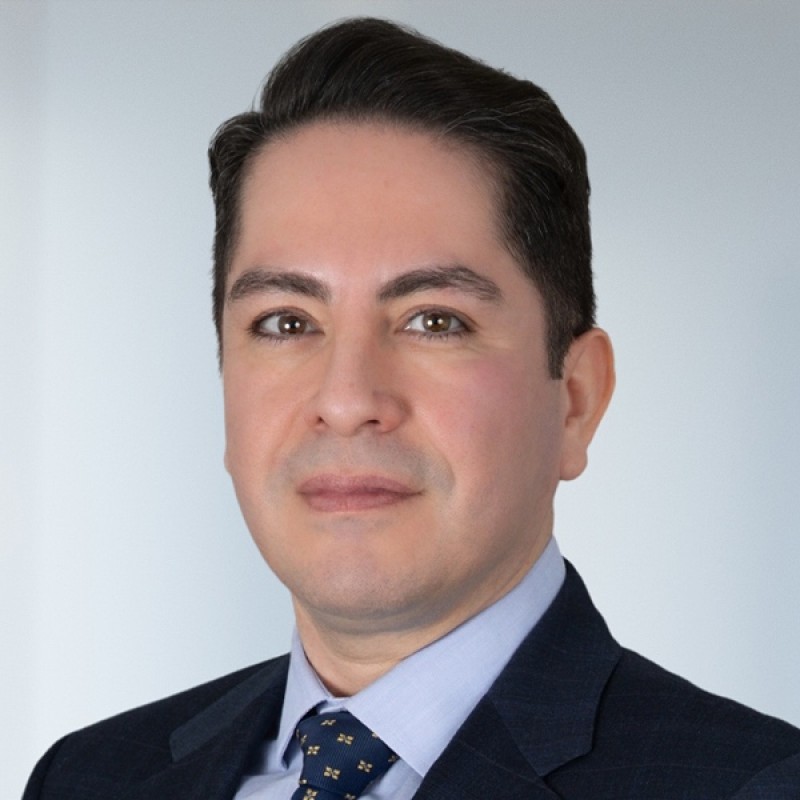
Partner
Alex Weniger-Araujo is a transactional partner whose practice is focused on corporate finance, venture finance, corporate governance, and general corporate law matters. He represents both foreign and domestic, emerging growth and high-technology issuers and investors in equity crowdfunding, public and private offerings and mergers and acquisitions transactions, including SPAC IPOs, business combinations (de-SPAC) and PIPE financing transactions, and advises clients on public reporting requirements for issuers and shareholders.
Alex brings a distinctive background to his securities practice. Before entering private practice, he led product development for a legal technology company, founded a real estate analytics SaaS platform, and served as general counsel at a New York-based venture development firm focused on Seed to Series-A stage companies. That entrepreneurial experience informs his counsel to growth-stage companies and the sponsors and investors that work alongside them.