What Actually Kills DESPAC Deals, With 25-Year SPAC Attorney Doug Ellenoff

SPAC attorney Doug Ellenoff, with 1,000+ SPAC IPOs behind him, on why DESPACs that look great on day one collapse later: unit economics, warrant overhang, promote math, and the PIPE.


Key Takeaways
- The two real reasons DESPAC deals fail are undercapitalization and overvaluation.
- Targets often miss the unit economics when comparing SPAC offers.
- Warrant overhang and promote math hide under the hood, and targets can renegotiate the promote pre-close.
- A validating institutional PIPE de-risks the close.
- Use SPAC-specialist counsel, not your longtime general attorney.
Why do so many DESPAC deals look great on day one and collapse months later? In this episode of The DESPAC Podcast, host Chaz Churchwell sits down with Douglas Ellenoff of Ellenoff Grossman & Schole, one of the most prolific securities attorneys in the SPAC ecosystem with 25 years and over 1,000 SPAC IPOs behind him.
Doug pulls back the curtain on what actually separates DESPAC deals that thrive from the ones that crater. The conversation moves from regulatory tailwinds under the current SEC to the unit economics targets miss when comparing offers, the warrant overhang and promote math hiding under the hood, and why a validating PIPE is so often the difference between a deal that holds and a deal that breaks.
If you are a CFO, GC, board member, or founder weighing a SPAC, this is a practitioner-level look at the decisions that determine whether your company survives its first year public.
What We Cover:
- Why the next SPAC wave may be stronger than the 2021 boom
- Regulatory changes under the current SEC and why SPACs were carved out of S-3 benefits
- Reading deal structure beyond the headline promote and unit terms
- Warrant overhang, dilution, and how targets renegotiate the promote pre-close
- Why a validating institutional PIPE de-risks the close
- The two real reasons DESPAC deals fail: undercapitalization and overvaluation
- Why public-company readiness catches up with you even when it is not the first thing to break
- How to choose SPAC-specialist counsel and why your 15-year general attorney is the wrong call
Connect with Douglas Ellenoff: Ellenoff Grossman & Schole: https://www.egsllp.com LinkedIn: https://www.linkedin.com/in/douglas-ellenoff-588b682/
Protect Your Transaction: Churchwell Insurance Agency specializes in D&O, E&O, representations and warranties, and public company liability for SPAC sponsors, DESPAC targets, and post-merger companies. https://www.churchwellagency.com/
Follow The DESPAC Podcast: https://www.thedespacpodcast.com/ https://www.linkedin.com/in/chazchurchwell/ https://www.youtube.com/@thedespacpodcast
The DESPAC Podcast is proud to spotlight The SPAC Conference, happening June 9–10 at Westchester Country Club in New York. Host Chaz Churchwell will be speaking alongside leading voices across the SPAC and DESPAC ecosystem. If you’re considering going public through a SPAC, this is a must-attend event. Learn more at https://spacconference.com/
Topics: DESPAC deal failure reasons, warrant overhang and promote math, undercapitalization in DESPAC transactions, validating PIPE investors, SPAC attorney due diligence, SEC regulatory tailwinds for SPACs, post-merger SPAC podcast
THE DESPAC PODCAST STANDARD LEGAL DISCLAIMER
The DESPAC Podcast is for informational purposes only. The views and opinions expressed by the host and guests are their own and do not represent the views of One Iron Network LLC, its affiliates, or any sponsoring organization.
Nothing in this podcast should be interpreted as legal advice, investment advice, tax advice, or a recommendation to pursue or avoid any transaction. Discussions may reference SPACs, DESPAC transactions, securities regulations, or public-company readiness frameworks. These conversations are educational in nature and should not be relied upon when making financial or strategic decisions.
Listeners should consult qualified legal, financial, and tax professionals before acting on any information discussed in this podcast. Any examples or scenarios mentioned are illustrative and may not reflect current market conditions or regulatory requirements.
Participation by a guest does not constitute an endorsement of any company, strategy, product, or service. References to specific firms or individuals are for context only.
One Iron Network LLC and the DESPAC Podcast disclaim all liability arising from the use of or reliance on the information presented.
Frequently Asked Questions
Why do DESPAC deals fail?
Douglas Ellenoff of Ellenoff Grossman & Schole says the two real reasons DESPAC deals fail are undercapitalization and overvaluation. He also warns about unit economics targets miss when comparing offers and the warrant overhang and promote math hiding under the hood.
Why does a PIPE matter in a DESPAC?
Ellenoff says a validating institutional PIPE de-risks the close and is often the difference between a DESPAC deal that holds and one that breaks.
What kind of lawyer do you need for a DESPAC?
He advises choosing SPAC-specialist counsel, and says your 15-year general attorney is the wrong call for a DESPAC.
Who is Doug Ellenoff?
Douglas Ellenoff is a securities attorney at Ellenoff Grossman & Schole with 25 years in the SPAC ecosystem and over 1,000 SPAC IPOs behind him.
00:00 - Introducing Douglas Ellenoff
02:02 - 25 Years in SPACs and What Sets EGS Apart
05:00 - Why Competition Makes IPOs and SPACs Better
06:55 - The Regulatory Outlook and the S-3 Carve-Out
10:56 - Volatility, Deal Terms, and Reading Unit Structure
14:31 - Warrant Overhang and Dilution From the Target Side
15:38 - Promote Pools: Why 20% Isn't Really 20%
17:28 - Looking Past the Promote to the Full Cap Table
19:11 - Choosing Bankers Who Understand Your Industry
20:09 - Why Overvaluation and Thin Capital Sink Deals
22:13 - The PIPE: De-Risking the Close and Validating Value
27:13 - Low Redemptions Without a PIPE: Take the Money?
31:36 - Why a SPAC-Specialist Firm Beats Your 15-Year Attorney
37:59 - Valuation and Public Readiness: What Gets Missed
42:31 - Getting Personal: Family, Loyalty, and New Zealand
46:14 - Closing and Where to Connect With Doug
Chaz Churchwell:
What's going on, everybody? It's Chaz, your host of the DESPAC Podcast, and I am here today with no other than the Doug Ellenoff. And I will tell you, Doug is with, uh, with Ellenoff Grossman & Schole, and, um, I, I'll tell you, he's one of the most prolific attorneys in the SPAC ecosystem, not just today, not just last year, not just in the SPAC bubble of early 2021, but you have been grinding on SPACs for, uh, for quite a minute. And so, Doug, I'm, I'm so, uh, excited and honored to actually have you share some time with us today and with all these private companies that are looking to go public and considering a SPAC to do so. Um, welcome to the show.
Douglas Ellenoff:
Chaz, my pleasure. If you'll recall, I think I imposed myself on you. I asked to be on the show, so thank you.
Chaz Churchwell:
Man, it's a, it's a blessing and an honor to have you here. So yeah, we, uh, we met over at NASDAQ talking, uh, a few weeks ago about that. I mean, it's not when we met. It's been a few years, but, um, but just recently talking about that over there. But man, I, I just really wanna start by opening things up, giving you the floor to, to talk about EGS, your position there, and kind of your footprint for, um, what makes you so distinctive and so prolific in the SPAC and DESPAC ecosystem?
Douglas Ellenoff:
Well, I appreciate your involvement in the SPAC industry as well, and, and the longevity in which, uh, you, you've been serving the industry. Uh, you know, what makes EGS different is that we have embraced alternative finance programs to help entrepreneurs raise money that weren't originally embraced by the establishment. And then through the force of will, not only of us, but bankers and entrep- other entrepreneurs, we've been able to take some of those sidelined businesses and mechanisms for raising money and make them mainstream. So it's not just SPACs, it's PIPE, it's registered directs, it's crowd funding, it's China practice, it's ATMs. And so, uh, our view is just because, uh, w- white shoe law firms didn't originally embrace these things, we looked at them, we evaluated them, we decided whether or not they were inherently good, bad, or neutral. Uh, and then if we felt that we weren't doing harm to the capital markets and that we were make- facilitating capital formation for entrepreneurs, then we went all in. And then if we got it right, 25 years later, like you're saying, we are not fly-by-night participants in the SPAC business. We've been doing it for a long time.
Chaz Churchwell:
Man, 25 years. It's like I, I don't... I feel like most people probably didn't know what a SPAC was until, like, maybe 2019, 2020, and yet you have been going after it for 25 years. That's, uh, I would say that's not only remarkable, but it's also something that I, that I respect and value more, which is loyalty. You've been loyal to the ecosystem. And, uh, and just it makes you a savant, you know, because a lot of people, maybe they've been going at this for one year, four years, 10 years. 25 years, I think you've probably seen everything that the market could throw at you, so
Douglas Ellenoff:
We have. We have, and we've certainly helped fashion it and tried to help cultivate relationships with the regulators and the bankers and the established law firms,'cause our view is that the program could only realize its potential if more people, not fewer, participated. So, you know, you had mentioned earlier to me that one of my former colleagues was a previous guest. And so if we are producing other professionals that think well of the SPAC industry and other law firms and bankers and insurance brokerage firms, uh, you know, from my point of view, competition, as I'm sure like you as a, an athlete, uh, is good. That's what elevates our game, and I think we are much better as professional service providers 'cause we know that we, uh, we can't just sit on our heels.
Chaz Churchwell:
Spoken like a capitalist. I love it. Competition is good. Competition is good. Yeah.
Douglas Ellenoff:
I, I... And by the way, I, I... not only do I genuinely believe that, Chaz. That's why when people say s- traditional IPO versus a SPAC, let those two mechanisms battle it out.
Chaz Churchwell:
Yeah.
Douglas Ellenoff:
If you don't, if you only have traditional IPOs, then they're not gonna get any better, but they've felt the heat for the last five, six years, as you pointed out, since the boom of '21. And so then Gary Gensler, uh, said, "Well, okay." He should have said, "Okay, how are we gonna make traditional IPOs better?" As opposed to, "How are we going to bring SPAC and DESPAC transaction to their knees by implementing unnecessary, uh, rules, uh, intentionally designed to frustrate the SPAC business?" When in fact what we know, you and I, is that there is an inadequacy of public companies versus when I was a young professional, there were 8, 9,000 public companies in the United States, and now we're half that. So the conversation ought to be, how do we repopulate the public arena, recognizing that the private markets have probably tripled or quadrupled in the last 30 years. Why don't we want the same thing for the public markets other than, uh, regulators are concerned that retail investors are gonna be taken advantage of? Uh, which is a legitimate concern, but then regulate.
Chaz Churchwell:
Yeah. It, it's so true. And obviously they've been held back because, I mean, you know as well as I do, typically you're gonna get better multiples in a SPAC, um, better ma- better multiples in public markets than you are in private capital. And so it's like they want to be able to come here, they want the bigger multiples, but there's been hurdles and obstacles and roadblocks that have been put up in their way that, in my opinion, just kind of really haven't made sense. And I, and I think that we're starting to see some leeway being given there little by little. So hopefully that'll continue and we can continue to, uh, to flourish and rebuild the public markets ecosystem. So but let's dive into that. Actually- Yeah ... uh, you know as well as I do, there has been some stuff that's, that's dropped from Atkins just recently, and I would love to hear your insight on, for a private company looking to go public and considering a SPAC to do so, why should they get excited about what's happening right now and what's coming down the pipe with some of these regulatory changes that are proposed?
Douglas Ellenoff:
Yeah, I think that's exactly the right question, Chaz. As... and it... before you even get into some of the proposed rule changes is- Obviously, we saw SpaceX file for its IPO yesterday. That's fabulous. Congratulations. I think that's great. And then you're gonna see Anthropic and a bunch of these other mega, mega should, uh, have stayed private for a decade longer than they needed to, companies go public, and they're gonna suck all the juice out of the IPO market. And what does that do for the rest of the entrepreneurial companies that want to access the public market? Well, underwriters are busy. They have limited resources and commitments. Uh, and so going public or considering going public through a SPAC is a legitimate alternative means to get yourself public and access to capital that wants maybe a higher risk profile than, uh, these companies that are, you know, West Coast companies that have been incubating for a decade. So- Yeah ... to me, they're just really serving two different markets. Uh, I don't think most companies that are considering going public through a DESPAC transaction can tr- truly go public through a traditional IPO. Yes. Not because they're not interesting companies or good companies or well-intentioned companies or, and exciting, but because they're not... I- if you're a banker and you can work on SpaceX and Anthropic, why would you do some of these other deals, uh, when you can get paid relatively easy money for doing those deals? So the DESPAC market is really kind of our venture for private e- low-end private equity market in the public markets. And if you look at it that way, as just a means to an end, which is really what it is, a- again, it's not good, bad, or evil, uh, it is just another way of doing things. And so you make the point, and I am very pro what this SEC administration is generally doing. They're seeking to make capital formation, uh, easier, and the r- rules that were, uh, dropped this week making S-3 eligibility, uh, m- m- more available to all companies, even, uh, you know, pink sheet companies or over-the-counter market comp- that's fabulous from my point of view. But you know what they didn't do? What they didn't do was include SPACs in all the benefits. They carved them out again, and it's because there's just this institutional hostility towards that which is different. Yeah. And because SPACs have a, you know, a different history, uh, they were left out of those benefits, and I think that, uh, further stigmatized them in a very inappropriate way. And, um, for all my positive feelings towards this SEC, I think that was a mistake.
Chaz Churchwell:
Paul, are you listening?
Douglas Ellenoff:
Exactly. Take
Chaz Churchwell:
notes. Take notes, Paul.
Douglas Ellenoff:
I,
Chaz Churchwell:
I don't know if he's listening. I doubt it. I mean, but, hey, he's a busy guy.
Douglas Ellenoff:
We, we, we're gonna try and get his attention wherever we can, whatever format I'm speaking in.
Chaz Churchwell:
I love it. I love it. So, uh, so tell me this. Obviously, you know as well as I do that there has been, uh- there has been this renaissance in the SPAC ecosystem, call it the past, what, maybe nine months, um, I, maybe 10 months. I feel like things have really started heating back up. But, um, but I think that something that's really been interesting is the, uh, i- is the volatility that we've been seeing as it heated back up. Things got remarkably generous from the, uh, institutional investors, and then now we're seeing they're getting greedy again. The, uh, the terms are, the terms are changing, the deal structures are changing. Um, w- what is it that, that you're seeing whenever these private companies are, are looking at stuff, um, it, it's so easy for them to, to look and say,"Oh, these guys have a one-tenth right. These guys have a one-sixth right. Um, these guys have a one-quarter right." There, there's these different mechanisms that are there, whether it be the sweetener, a half a warrant, a whole warrant. Um, when, when these private companies are looking at these distinctions in deal structure, um, what are your thoughts whenever you're advising from the other side of it? Other than just looking at it at a face value, what are the other things that they need to be really looking at to take a more holistic picture?
Douglas Ellenoff:
Well, I'm gonna start, a- and, you know, I'm not gonna limit my comments to the title of your show, which is the DESPAC podcast, 'cause we're drifting also into SPAC IPOs.
Chaz Churchwell:
Oh, 100%.
Douglas Ellenoff:
Right? This is all pricing, uh, mechanisms. E- whether it's a right or warrant, whatever it may be, it's in the first instance for the IPO, institutional investors are saying, "Okay, here's Chaz, and Chaz has this great, uh, investment background, and here's Doug, and he's a first time SPAC sponsor, and we are going to price the securities in the IPO differently from Chaz than from Doug, rightly because the merit, the merit that Chaz is entitled to, given his good track record of investing in ways that the public market institutional investors recognize. Doesn't... Nothing against Doug, we just aren't familiar with his background." And so it's gonna cost him more, more cost of capital for him to play in the SPAC game than Chaz. And Chaz, Doug versus any serial SPAC sponsor like Churchill or any of these guys who've done many, many of these ARIES, they're going to get an even better pricing than we. So that makes complete sense on the front end of a SPAC IPO. Uh, and what I love about the way the market's evolved now since I've been doing this for 25 years, I will give you the history lesson. The evolution from where we started in 1999, 2000, to where we are today, even though the program goes back to 1993, these are features that didn't exist. If it was cookie cutter back in what I call generation one or two, now that we're in generation three or four, I love those distinctions based upon, uh, all where we are in the market, who's participating in the market, what underwriter is underwriting the deal. Um, and so then it gets to the more important part of the question from my- from, that you've asked, Chaz, which is if I am representing a target company and they are considering which SPAC to transact with, those distinctions which were created to accommodate for either Doug or Chaz are now very important from the target's perspective because it affects whether-- what the overall dilutive impact of the proposed transaction will be. So if Doug got worse pricing for his IPO than Chaz did because I had to give away a half a warrant and you only had to do a quarter of a warrant, well, then the target that chooses to transact with me is gonna have more of a warrant overhang burden and dilutive effect as a result of that than if they had done a deal with you. And so that is what we do as counselors, is point out those dis- very important distinctions So, sorry, that's, that's how it
Chaz Churchwell:
is No, no, no, it's good. It's good. A- and for me, I'm just trying to... Like, it, it's funny, I was, uh, I was talking to somebody the other day, and they were, uh, they, they were talking about how they... There was somebody who had a, uh, a 30% SPAC on the promote pool, and they were saying, "Man, that's, uh... That, that's... They're being very generous to themself." And, uh, and then it was one of those things to where, um, we talked about somebody else that had a 20% promote, and they were like, "Yeah, it should be a 20%." And I, and I was like, "Let me ask," and, and I wanna get your take on this. I said, "The 30% promote, they had nothing outside. There was no outside promote shares that were going to be issued." Every... So it was clean. Everything was inside of the promote. Um, no success fee, no rep shares to the bankers, anything outside of it. The guys with the 20%, they actually ended up being, and, and you see this quite a bit, they ended up being 27.8% if you factored all of the shares that are being issued outside the promote. And, and I was like, "See, you, you think it's 20%, but it's not. It's not really 20%." And so it's, it's one of those things to where things look one way on the surface, but when you start popping the hood, there's so many different variables that are there that it's important to pay attention to. And then the 30% all of a sudden doesn't look that much different than the one that was 20%, and they were just transparent about it. So I don't know. I, I'd love to hear kind of your thoughts on what are some of these key things that these private companies should be looking at beyond just what you see on the unit structure and the promote pool?
Douglas Ellenoff:
Well, I think you have to look at it, you know, more broadly, and that's really what you're saying, is the first thing as it relates to the, the cap table. You gotta see what the overall dilutive impact to all the securities that have been issued. And so that's number one. Number two, this is from, from the target's perspective, it's an ask. There's nothing etched in stone about the 30% or the 20%. Uh, you know, for the last 15 years, targets often, with their banker representatives, try and reduce the number of founder shares that the founders are going to keep. So just because they received the 30% or the 20% at the time of the IPO doesn't mean that they're going to retain those same securities at the closing of the business combination, because often the target and its representatives negotiate a reduction in that overall amount. So even in my example- If somebody chose to transact with me rather than you, for reasons I can't begin to understand because that makes no sense to me, they could negotiate your structure to be very much like my structure at the end of the day. The warrant overhang can't really change because those are the public warrants that are out there, and so those are not gonna be changed. But as it relates to making adjustments within the promote that you get to keep or I get to keep, we could actually, uh, restructure the arrangement so they're proximate to one another number. Uh, so that's the first thing. I think you're right, the target has to look at that. But I think it's m- m- more nuanced than even that. It's not just the best economic deal that you can get. I think you wanna look at who the bankers were for the IPO, and are they participating in the DESPAC process, and do they have analyst coverage and bankers who understand the industry of the target company? Mm. Uh, because the, the m- m- more informed they are, the better the diligence, the better access typically they have to institutional investors that understand my fundamental business as opposed to that of the SPAC. So we're talking about the target now. And that's important for several reasons. One, you wanna have post-DESPAC closing coverage of some kind, but you also wanna have access to institutional investors that really understand the details of the industry that the SPAC is trying to transact in with the target. And all those things add up to, uh, is it a good structure? Is it a g- What... Let me back up. What's naive is just to believe I get a really good deal from the SPAC sponsor that the whole thing's gonna work out. No. I think one of the things that targets miss all the time is that they're trying to maximize their valuation as if, uh, when Chaz and Doug, uh, negotiate a deal, that's the, that's etched in stone as to how it's gonna end up, as opposed to institutional investors gonna have a second, uh, in negotiation if they don't like the valuation that was assigned. And then worse still is that the deal gets done either with inadequate capital or overvalued, and then on a post-closing basis, the stock trades from ten down to some lesser number. That's not good for anybody, particularly the target who's got long-term holdings that they can't realize.
Chaz Churchwell:
Can I give you an amen and a hallelujah?'Cause I feel like you're preaching some truth right now, Doug. Like, I d- thank you. Yes. Yes.
Douglas Ellenoff:
Okay. I'm glad we're f- singing from the same choir book.
Chaz Churchwell:
I love it. I love it.
Douglas Ellenoff:
And- It's impor- it's important. I don't think that people really look at this correctly. And when people say, "Well, how come SPAC results aren't better?" That's why they're not better. It's 'cause they're usually either the target company's overvalued or they don't raise the requisite capital necessary to actually get the target to viability.
Chaz Churchwell:
Yeah. And it's, you- you- you want more follow-on PIPE money. You want, y- uh, you, like, I mean, you- you just, you shoot yourself in the foot on the valuation and, like, because you wanna keep more, but then you think that everybody, like, yes, the SPAC team will give you what you want. But then you're assuming that everybody else is gonna fall in line, and they're not. Like, the market won't lie to you. Investors aren't gonna lie to you.
Douglas Ellenoff:
At the end of the day, truth will prevail.
Chaz Churchwell:
Yes. Okay. So let- let's run with that for a minute on the PIPE concept. Let's talk about that. I mean, you are, uh, like you mentioned early in the conversation, you were, like, you've been an early adopter on PIPEs. Um, you're, like, y- you're a juggernaut at the PIPE Conference. Um, like, talk about when the PIPE comes into play, what role the private company has in putting a PIPE deal together and, and how all of that works out from their perspective. I'd, I'd love if you could just pop the hood there and share some knowledge.
Douglas Ellenoff:
Sure. I, I'm, I'm gonna, you know, exercise my right to be an old man and g- go back in history for a second. So what I love about my two worlds colliding, the PIPEs and the SPACs converging, is there was a time up until 2009 where the only way you could close a business combination, since institutional investors would not consider doing a PIPE into a DESPAC transaction because the program was tainted, general counsels at institutions didn't wanna participate. The only way you could close a DESPAC transaction was if you, the, the SPAC and the target announce a business combination, and then the stock has to trade above 10 bucks. If it trades above 10 bucks, then there's no redemption, and then you close the deal. If there's redemption and the target put a m-minimum working capital condition into the transaction and there were full redemptions, then the deal wouldn't close. It was very binary. Then in order to take the uncertainty out of the transaction, in order to say to targets, "This is why you should transact in the SPAC industry," the SPAC would sign a business con-- Well, would sign a letter of intent with a target, and the t- SPAC says, "Okay, you know what, target? Give us forty-five days for us to work with our bankers and your bankers and demonstrate that there's institutional interest in your target business at the valuation you've selected and for the amount of money that you're looking for." And then we do a wall cross after the LOI is signed privately before there's ever a public announcement of this, and now the target is speaking to institutional investors and getting feedback as to whether or not they like the deal, whether or not like they like the valuation, whether or not they're interested in putting up the right amount of money. So the deals that typically perform best Not always, but typically, and I say that because it, we- we're, we're gonna talk nuances in a minute. Yeah. But if a DESPAC transaction announces a simultaneous PIPE when they announce the business combination agreement, so the deal is set. Minimum working capital condition is $25 million. We raised $35 million in the PIPE. Everybody knows the deal's gonna close now. Whether or not there's redemptions or not, that deal is gonna trade at, at very well. The ones that trade the best are th- that dynamic, but above $100 million PIPE. Okay? So above $100 million PIPE trades the best. With a PIPE in place trades well, assuming that the, the money that's raised in the PIPE gets you to viability. You don't burn out of money 'cause you're a biotech company or another pre-revenue business that needs more capital. Uh, if you've raised that PIPE at the... and you've announced it at the time of the business combination, that's the best dynamic in the s- in the SPAC land. What also works really well is if you announce the PIPE, stock trades above 10, and the money in trust doesn't redeem because the stock trades at 13, 14 bucks. The ones that get into trouble are the ones that under-raise, or they make the bet that we are going to go forward with the deal hell or high water, we're gonna raise as much money as we can, and if only half the money redeems and the other half, uh, the money, uh, stays in, even if that's an inadequate amount of capital for us to get where we need to go, we're gonna do it. That's not a good dynamic. Um, but that's when you raise the PIPE typically. You raise the PIPE- After the LOI and you announce it at the same time as the business combination. It doesn't have to be done that way, but more often than not, that is how it happens.
Chaz Churchwell:
Let me ask you a question. I, I know of a company that they did their, uh, they, they did their deal earlier this year. Um, and when they did it, they actually had very low redemptions. Very low redemptions. Yeah. So, strong deal came out, traded thir- it was trading, like, 12 bucks, 13 bucks pre-DESPAC, and then climbs 18, you know, like the, the squeeze, it goes up 18, 20, 25, and they're like,"Yay." And then all of the sudden, all of the sudden, it comes crumbling down. And, and I, I ended up having a conversation with those guys and I'm like, "Did you raise any PIPE money? Did you do any lock-up on the backside? Any, like, structure, any deals?" And they're like, "No, we didn't think we needed to." And so I would actually love to get your take on this. In my mind, um, I, I heard somebody say one time, and I thought it was pretty wise advice, "When you can get money, take it." And so, like, if, if you can get capital at a good price, take the money. And, like, if you've got this company that maybe they don't have any redemptions, nobody's redeeming, maybe it's 8%, whatever, 10%, do you think that they should still do a PIPE raise on the backside using it as an opportunity to get more money and using it as an opportunity to engage with the investors that are already in to see if they can do some kind of lock-up structure, leak-out structure, anything like that? Like, do you see any of those type of deals that, that make sense?
Douglas Ellenoff:
So, again, we're talking typical, uh, Chaz, because I'm gonna give you some examples that, that don't necessarily fit the mold. Okay. Yeah. But by and, by and, by and large, the reason for raising the PIPE, A, is to de-risk the closing of the business combination, right? Right. The other thing it does, and it's like a venture deal, you want lead investors to price the deal so that the retail and everybody else has some comfort that- Smart money, and I use that very general, generally- ... um, has validated. And the reason I say that kind of... Because these are guidelines, right? I can point to a year ago, you and I would've been at the SPAC conference, which you and I will both be going to in a few weeks.
Chaz Churchwell:
Yeah. And,
Douglas Ellenoff:
and the whole world was talking about the crypto deals, and the crypto deals didn't necessarily have validating PIPEs because there were no redemptions because the whole world was crypto crazy, and- I think
Chaz Churchwell:
you actually had T-shirts that were talking SPACs and crypto, didn't you?
Douglas Ellenoff:
I love that you remember that. That, those, those- I do ... those are collector's items now.
Chaz Churchwell:
Oh, I love it.
Douglas Ellenoff:
Uh, but that's an example where, okay, there were no, there was no PIPE. I'll give you another example, but in a positive sense. We closed a deal two weeks ago for
[unclear:
company name]. It's an AI, uh, quantum computing company, and no PIPE, but zero redemptions and the stock's trading at $25. Phew. And lots of contracts have been announced. So, you know, it, it, there, there's, there are general rules of engagement, and that's why I do think institutional investors are, are important to validate both the business as well as the valuation. But there's an example where that, uh, they went naked without a PIPE and, uh, so far it's a scre- it's the best performing deal of the year. Uh, so it- Nice ... it, you know, it, it can go either way, but by and large, I think, uh, it's a good thing to get an institutional PIPE to support the transaction
Chaz Churchwell:
I like that. I think that's good counsel, counselor.
Douglas Ellenoff:
Um. But, but by the way, I'm also of the same, uh, school of thought that you said, and that we say it to clients all the time, take the money, uh, when it's being offered to you, not when you need it. So we agree with that.
Chaz Churchwell:
Yeah. Okay. So let me ask from a, from a standpoint of let, let's talk about when these private companies are selecting legal counsel. When they're going out there, obviously you're, uh, y- you're some company that's in, like, Muskogee, Wisconsin. Um, uh, obviously you're in New York, um, NASDAQ, New York, NYSE, New York. You know, like, w- what, why is it they want to use your firm, um, or maybe a, a SPAC savant type firm compared to the old sage that they've been using and trusting with their company for the past 15 years that they, that tells them that they can handle this?
Douglas Ellenoff:
I love that question because it befuddles me that anybody would use the counsel that they've been using the last 15 years, because in my mind, you hire a law firm for their technical experience in the subject matter in which you are asking them for this assignment. Most firms don't have such a broad experience base that they can do everything. Yeah. So for the same reason we became the number one firm in the world at this, is because the other firms wanted nothing to do with this. Because SPACs were stigmatized and traditional IPOs were the, the, the right way of doing things. And so to the extent that is what happened, and we've spent the last 25 years, a thousand SPAC IPOs, hundreds of DESPAC transactions, really developing the expertise that no other firm in the world has. Yeah, that's why people come to New York and, uh, bless us with the opportunity, whether or not they choose to use us or not. So that's, number one is experience. Number two, and this I don't think is thought through enough, is we have 60 lawyers in our SPAC program. That's 25 on the front end and 35 on the back end. I don't think there's another firm in the country that has five lawyers dedicated to SPACs. And so to the extent that you're hiring professionals 'cause you want to reduce your risk- increase the probability of getting your deal done, then while it's nice to go play golf with your lawyer at the local clubhouse, um, that's just not a winning strategy for de-risking your transaction and getting it done. And we're not the only ones. I'm not suggesting that. There are others, but there is no firm with, uh, the experience and the track record that we have and the number of people, and typically the price point that we get these things done at
Chaz Churchwell:
Yeah, I, I, I will echo that and affirm you because I, I had an attorney one time who he wasn't a specialist in a, in a certain type of securities and, uh, and didn't really know it that well. And I made a, a comment to him about it, and he's like, "You know, I've never driven a Cadillac. I've got an Oldsmobile, but I bet if I got behind the wheel of a Cadillac, I'd be able to do just fine. I think I'll be able to handle this." And I was like, "I think this is more of, like, a stick shift versus an automatic thing. And you've never pushed in that clutch and tried to figure it out." But I mean, and you know what I mean? Like- But let
Douglas Ellenoff:
me, Chaz, let me throw it back at you. It's like, okay, I can go to the guy who insures my house for the D&O coverage, or I can go to you. Which one makes more sense? It's kind of obvious
Chaz Churchwell:
Yeah. And we run across that sometimes. Uh, I got a, I've got a team that they were like, "Oh, no, we w- we wanna, we wanna keep using our, our guy in, in Denver." And, um, and just it, it was one of those deals to where conversation went in such a way to where I en- I ended up learning that the guy's an Allstate agent. And I'm like- ... "Allstate
Douglas Ellenoff:
agent?" And
Chaz Churchwell:
they're- That's just crazy ... "Yeah, we've just, we've been using him for our company for since we founded it." And I'm just like...
Douglas Ellenoff:
No. But, you know, but look, you know, I've gotten more comfortable 'cause I've been around longer, Chaz. It's like, okay, if that's the way you look at the world, then accept the consequences, and I don't want to hear you complain when it doesn't work out or, or suggest that that person did something wrong by you. No, you made a terrible business decision. You live by it. And part of the problem, and clients don't like to hear this, is you have to live with the mistakes that you make.
Chaz Churchwell:
Yeah. And in fact, that attorney, uh, that company's attorney ended up calling me about seven months later. They got sued. The, uh, the Allstate agent didn't do things the right way, and they were trying to find out if there was any coverage left over from, uh, from the policy that I had in place for them previously whenever they had moved it away from me to, to go back over to their Allstate agent. And I was just like, "No. No. Sorry, but I, I, I kinda warned you guys this was gonna happen." So-
Douglas Ellenoff:
Yeah. And listen, I hate to see that. There have been a lot of mistakes- Yeah ... made in the SPAC world. Uh, my view is me and my firm benefit every time a good deal gets done with- Yeah ... no litigation profile, clients have good experience. And unfortunately, because it's a frenzy, there are a lot of people who have come into the industry who are not as technically sound as they ought to be. And, um, that's not good, uh, for the overall outcomes because I don't think clients get to hear, I don't sell SPACs. I tell it like it is. And I- Yeah ... I think if I can convince a target, going back to our earlier conversations, to accept 10, 15, 20% less, uh, at the time of the closing the business combination so that they have a better long-term, uh, outcome when they wanna sell their securities a year later after the DESPAC transaction when their shares are eligible for resale, then I've done my job, uh, in a way that's differentiated than a lot of the rest of the, the, the lawyers out there.
Chaz Churchwell:
Let me, let me switch and, and wanna ask you real quick. Um, you mentioned valuation earlier, and you're talking about, like, you're, you're talking about finding yourself... We're talking about finding yourself in hot water, you know, when things don't go so hot. Um, valuation and public readiness are the two biggest reasons that go-forward companies get clipped and end up having to tap their D&O end up having to call a law firm to represent them in, in a defense case. Um, what is it you see, if you had to give one piece of wise, sage advice to a private company going public, the thing that you see that they're either combative to, resistant to, or oblivious to, in being really public ready, what is the biggest thing that you think just gets missed or pushed back against by public, private companies going public through a SPAC?
Douglas Ellenoff:
Well, I, I'm gonna answer- What would that be?... the question that I wanted you to ask me, and then I'm gonna answer the question that you actually asked me. So the first, the, the answer to the first one is, don't raise less money than you need in order to get past a year or two years, because you will go out of business. You will end up potentially in litigation, whether it's in Delaware or Cayman Island, and that's what actually causes the, the, the issue, because you, you're under-capitalized. Okay? So that's number one in my mind, because you've run aground.
Chaz Churchwell:
Mm.
Douglas Ellenoff:
Uh, th- then you get into... Uh, and if you actually look, and I've just done the analysis because I'm getting ready for the SPAC conference, Chaz. I've looked at the num- the number of de- these SPAC transactions that have closed in the last 18 months. So it's 50. 10 of those are trading above $10. So, okay, that's a good, that, that's pretty nice. That's, that's a 20% figure that's trading pretty well. Uh, then you have 18 companies that are trading down 90%. Now, let's try and dissect together because that's concerning. In less than eighteen months, uh, eighteen of the fifty companies are trading at down ninety percent or at a buck. Now, if you back out the crypto deals, which could-- we, we could wake up in a week, and they could be back to NAV uh, because they're not going out of business'cause they're not operating entities. You know, let's say that that's a handful of them, so you really kind of back down to ten, twelve operating companies. If I had to guess, those were either overvalued, going back to our prior conversations, or they didn't raise enough money, and they're now, you know, in trouble because they shouldn't have closed their DESPAC transaction. Uh, but whether there was the pressure of the SPAC life cycle that forced them into a close. They've gotten themselves, the target company who was desperate for cash, into trouble, and, uh... Or it could be just a biotech company that raised enough money, and it's just not a, a thesis that is currently in vogue in the public markets. So I think that has-- those two factors, valuation and, uh, did you raise enough capital are one and two. The pre-- The, the IPO readiness is a real issue. I don't wanna minimize that, but I don't think that's the reason, the difference, at least in the first six months or a year, as to whether or not a stock trades up or down. Do I think it catch, catches up with you? Oh, yeah. Make no mistake about it. If you haven't assembled the proper board, if you haven't documented things properly, um, if you have a-- you know, you don't have a full C-suite of people who are ready to talk to Wall Street, to prepare the numbers that need to be ready on time. Yeah, all those things are going to be, uh, aggravations and annoyances that, uh, you need to attend to, and they're gonna cost you money. But to me, that's not the difference between success and failure, typically.
Chaz Churchwell:
So I, I appreciate that. I appreciate that. Um, now let me ask you this. I'm gonna totally jump into talking personal for a minute.
Douglas Ellenoff:
Oh, I don't like that.
Chaz Churchwell:
I, I, you know, I think, I think you do. I think you do. You're, you're a very personable guy, and I, um, I... So I just wanna know for you, like, just a couple of things because I believe that people love doing business with people that they like. And so, and I think that you're a genuinely likable guy, um, in, in all the times that we've hung out and talked. So for me, I just wanna know, first of all, like, what's kind of your fi- your family dynamic? I mean, uh, obviously empty nester. You got grandkids. Uh, like, how many kiddos you got? I just let people- I just wanna let people know about your family. I don't even know if you've technically got grandkids. I, I'd love to know.
Douglas Ellenoff:
Well, it's not a technical question. It's either yes or no. Fair
Chaz Churchwell:
enough.
Douglas Ellenoff:
It's,
Chaz Churchwell:
it's-
Douglas Ellenoff:
Uh- Yeah ... li- listen, it r- reminds me, Chaz, if you recall,'cause I remember it very clearly, the way we met was we were in Atlantic City, and you were sitting solo at lunch, and I sat next to you, and I just struck up a conversation with you because I'm like,"This guy looks affable to me," uh, and so why not just get to know the guy? So yeah, we're in, we're in the people business, right? Um, and the answer to your question is I have two fantastic young men, uh, that I have raised with my wife of 34 years. And, uh, they are wonderful, uh, men, and one is married, and the other, uh, has a girlfriend. Uh, but we have no grandchildren to speak of as of yet. My w- son only got married back in, uh, October.
Chaz Churchwell:
Got it. See, I didn't know that. I'm so glad. I'm so glad that I asked. And man, 34 years, that's remarkable. Okay, so- I
Douglas Ellenoff:
believe... So I believe in sticking with themes, Chaz. Themes. SPACs for 25, PIPEs for 25, my law partners for 34 years. Uh, I, um, I believe in planting a flag and sticking with it.
Chaz Churchwell:
Loyalty, man. So let me... Okay, so I've gotta ask, what's the longer relationship, your partners with the law firm or your marriage?
Douglas Ellenoff:
Which one's- It's a, that's a, that's an easy one. They're gonna retire way before my wife gives up on me or I give up on her.
Chaz Churchwell:
No, but which one started first? Did you, did you have- Oh the firm and the partnership first, or were you married first?
Douglas Ellenoff:
It's, uh, so I got- I started the partnership January 15th, '92. I had just gotten married immediately prior to that.
Chaz Churchwell:
Okay.
Douglas Ellenoff:
And both of my partners who were with me, uh- Come to the firm, uh, a year or two afterwards. So I've been with my wife longer is the answer to your question.
Chaz Churchwell:
Got it. Now, where did you go on your honeymoon?
Douglas Ellenoff:
We went to New Zealand.
Chaz Churchwell:
New Zealand?
Douglas Ellenoff:
We did.
Chaz Churchwell:
That sounds phenomenal. What was the coolest thing you did while you were there?
Douglas Ellenoff:
Not bungee jump.
Chaz Churchwell:
Not... Wait, not bungee jump?
Douglas Ellenoff:
Exactly. I went, I went out onto the bridge. I was ready to go, and then I'm like, "You know what? I don't think it would be good if I got paralyzed on my honeymoon and my wife had to take care of me for the rest of my life." I just don't think that would be a very good, good maneuver. But we had a great time. We drove- Did
Chaz Churchwell:
she jump?
Douglas Ellenoff:
She did not jump either.
Chaz Churchwell:
Okay. Okay.
Douglas Ellenoff:
And I'm not sure that one was in the cards.
Chaz Churchwell:
No, that's awesome. Yeah. I, I respect you not jumping. I'm glad that you didn't so that you could be here with us today. Man, I, I'm so thankful for you, Doug, um, that you've shared time with us. And everybody, this is Doug Ellenoff. His information's gonna be in the, like, in the section for, uh, for details. Make sure that you connect with him on LinkedIn. Reach out if there's any way that he and his team can work hard for you on a SPAC or a DESPAC transaction. He's genuinely a remarkable man to, to know and, and obviously a true savant of his craft. Uh, you won't find better in the ecosystem. Doug, I appreciate you for being here today, brother. Thank you.
Douglas Ellenoff:
Well, Chaz, thank you, and thank you for the- your commitment to the SPAC industry and, uh, being very personable, so greatly appreciated.
Chaz Churchwell:
Absolutely. Everyone, hit that subscribe button. Make sure that you follow us for more. We've got a lot of great things coming down the pipe. I don't know if they'll be as good as Doug, having him on the show today, but make sure you stay tuned for what we have coming. And hopefully I'll get to see you all at the SPAC conference here in a few weeks. Blessings. Goodbye.
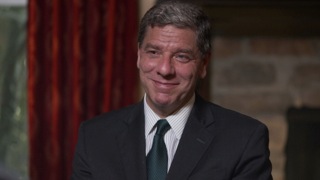
Douglas S. Ellenoff, a member of the Firm since its founding in 1992, is a corporate and securities attorney with a focus on developing innovative securities programs for entrepreneurs, like SPACs, PIPEs, and Crowdfunding. Mr. Ellenoff has represented public companies in connection with their initial public offerings, secondary public offerings, regulatory compliance, as well as, strategic initiatives and general corporate governance matters. During his career, he has represented numerous broker-dealers, venture capital investor groups and many corporations involved in the capital formation process.
In the last several years, he has been involved at various stages in numerous registered public offerings, including several hundred financings and, with other members of his firm, hundreds of private placements into public companies (see PIPEs and Venture Capital), representing either the issuers of those securities or the registered broker-dealers acting as placement agent. Along with other members of his Firm, Mr. Ellenoff has been involved at various stages with over 1,000 registered blind pool offerings (commonly referred to as “SPACs”); In addition to our IPO experience with SPACs, he has been involved with hundreds of SPAC M&A assignments. The Firm represents nearly 100 public companies with respect to their ongoing 34 Act reporting responsibilities and general corporate matters. He also provides counsel with regard to their respective ongoing (SEC, AMEX and NASD) regulatory compliance.