What Misclassified Warrants and Earnouts Really Cost a DESPAC — Sam Salty & Mark Stoller
GuzmanGray's Sam Salty and Mark Stoller on how misclassified warrants and earnouts trigger restatements, delays, and millions in fees, and what real PCAOB readiness looks like.


Key Takeaways
- Misclassified warrants or earnouts can blow up a DESPAC valuation and delay closing by months.
- AICPA-grade audit evidence rarely survives PCAOB scrutiny.
- Independence rules can force a company to fire its existing auditor on day one.
- ASC 606 revenue recognition gaps can quietly distort financials before a deal.
- Early auditor involvement is the biggest predictor of a clean close.
Misclassify warrants or earnouts and you can blow up your DESPAC valuation, delay closing by months, and stack millions in advisory, audit, and legal fees on a deal that was supposed to be ready.
Sam Salty (Managing Partner, GuzmanGray) and Mark Stoller (CMO, GuzmanGray) join Chaz Churchwell on The DESPAC Podcast to break down what real PCAOB readiness looks like, why AICPA-grade audit evidence rarely survives PCAOB scrutiny, and how the post-inspection shakeup created a vacuum that disciplined audit firms are now stepping into. They unpack the technical traps that wreck DESPAC timelines, the fee-structure tricks private companies miss, and why early auditor involvement is the biggest predictor of a clean close.
What We Cover:
- Why misclassified warrants and earnouts trigger restatements, SEC scrutiny, and PIPE-confidence damage
- When private companies must shift from AICPA to PCAOB standards before going public
- The independence rule that forces some companies to fire their existing auditor on day one
- ASC 606 revenue recognition gaps that quietly distort financials before a deal
- Why fair-value valuations require a separate independent expert from the SPAC valuation
- Internal controls, carve-outs, and proformas that look fine until PCAOB inspects them
- The pre-audit advisory step almost every private company underestimates
- Flat-fee vs. range pricing, and the back-end fees that surprise newly public CFOs
- The audit firm shutdown that forced public companies into expensive re-audits
- How GuzmanGray bakes quality control in to prevent fire drills
Connect with Sam Salty:
LinkedIn: https://www.linkedin.com/in/sam-salty-0a36741/
Website: https://guzmangray.com/
Connect with Mark Stoller:
LinkedIn: https://www.linkedin.com/in/mark-stoller-secaudit312/
Website: https://guzmangray.com/
Protect Your Transaction:
Churchwell Insurance Agency specializes in D&O, E&O, representations and warranties, and public company liability for SPAC sponsors, DESPAC targets, and post-merger companies.
https://www.churchwellagency.com/
Follow The DESPAC Podcast:
https://www.thedespacpodcast.com/
https://www.linkedin.com/in/chazchurchwell/
https://www.youtube.com/@thedespacpodcast
The DESPAC Podcast is proud to spotlight The SPAC Conference, happening June 9–10 at Westchester Country Club in New York. Host Chaz Churchwell will be speaking alongside leading voices across the SPAC and DESPAC ecosystem. If you’re considering going public through a SPAC, this is a must-attend event. Learn more at https://spacconference.com/
THE DESPAC PODCAST STANDARD LEGAL DISCLAIMER
The DESPAC Podcast is for informational purposes only. The views and opinions expressed by the host and guests are their own and do not represent the views of One Iron Network LLC, its affiliates, or any sponsoring organization.
Nothing in this podcast should be interpreted as legal advice, investment advice, tax advice, or a recommendation to pursue or avoid any transaction. Discussions may reference SPACs, DESPAC transactions, securities regulations, or public-company readiness frameworks. These conversations are educational in nature and should not be relied upon when making financial or strategic decisions.
Listeners should consult qualified legal, financial, and tax professionals before acting on any information discussed in this podcast. Any examples or scenarios mentioned are illustrative and may not reflect current market conditions or regulatory requirements.
Participation by a guest does not constitute an endorsement of any company, strategy, product, or service. References to specific firms or individuals are for context only.
One Iron Network LLC and the DESPAC Podcast disclaim all liability arising from the use of or reliance on the information presented.
Frequently Asked Questions
What does PCAOB readiness before a DESPAC require?
Sam Salty and Mark Stoller of GuzmanGray say PCAOB readiness means shifting from AICPA to PCAOB standards before going public, because AICPA-grade audit evidence rarely survives PCAOB scrutiny. Early auditor involvement is the biggest predictor of a clean close.
What happens if warrants or earnouts are misclassified in a DESPAC?
Misclassifying warrants or earnouts can trigger restatements, SEC scrutiny, and damage to PIPE confidence, blow up a DESPAC valuation, delay closing by months, and stack millions in advisory, audit, and legal fees.
Why might a company have to change auditors before a DESPAC?
They explain the independence rule that can force some companies to fire their existing auditor on day one.
Who are Sam Salty and Mark Stoller?
Sam Salty is Managing Partner and Mark Stoller is CMO of GuzmanGray, an audit firm.
00:00 - Meet Sam Salty and Mark Stoller from GuzmanGray
02:47 - The Genesis of GuzmanGray and the Anti-Fire-Drill Audit Model
07:21 - The DESPAC Mistake That Costs Millions: Misclassified Warrants and Earnouts
08:45 - What Front-End Engagement With an Auditor Actually Looks Like
10:31 - Fee Structures, Flat Fees, and the Back-End Audit Costs CFOs Miss
13:17 - When to Move From AICPA to PCAOB Standards
15:53 - What True PCAOB Readiness Requires Beyond an Audit Opinion
18:28 - Pre-Audit Advisory: When You Need Outside Help vs. Internal Capability
21:48 - The Biggest Audit Pitfalls Private Companies Underestimate
25:45 - Independent Fair-Value Valuations and ASC 606 Complexity
28:31 - How GuzmanGray Eliminates Fire Drills Through Early QC Involvement
39:39 - The PCAOB Shakeup, Restatements, and How to Vet Your Auditor
Chaz Churchwell:
What's going on, everybody? This is Chaz, your host of the DESPAC Podcast from Churchwell Insurance Agency to your living room, car, or wherever you're listening. I've got with me two juggernauts, two of my favorite people that are in the capital markets ecosystem. It's not often that you like people who are in the audit space, but these are two that I really think you're gonna love, so I'm glad that they're here with us today. I've got Sam and Mark from Guzman Gray. Sam is the practice leader. Mark is the chief marketing officer. They're two absolutely incredible people, and I think that they're really stepping in and changing the game for audits for our DESPAC clients. Guys, great to have you here today.
Mark Stoller:
Thank you so much, Chaz. Thank you, Chaz. Yeah, it's
Chaz Churchwell:
a real pleasure- Absolutely... Mark Stoller: to be on here with you. Dude, hey, you know, I've got insane love for you, and, uh, and I'm so honored to have you guys on. So Mark, just do me a favor. I'd, I'd love to just kind of start off with you. Tell me a real high view of who Guzman Gray is, what sets you apart, and then, Sam, I'd love if you could step in, kind of follow on with that, and just kind of tell the genesis and kind of the heartbeat of the company.
Mark Stoller:
Thanks, Chaz. I appreciate that. So Guzman Gray, you know, first off, you know, like all other firms, you know, we have a lot of our partners that come from Big Four, have that deep expertise, but what really separates us from other firms comes down to how we engage with our clients. It starts out by putting a minimum of two, uh, uh, partners on every engagement. We like to pour resources in, uh, to manage our clients. Uh, uh, number two, we follow up and we bring quality control with us from the planning stage forward. Again, we want to identify and bring to the forefront any growing concerns so that there's n- we're removing the last-minute fire drills that a lot of audit firms, you know, will create, you know, through their QC department.
Chaz Churchwell:
I like it. And Sam, kind of what's the genesis of the company? I know that, uh, I know that you guys are growing at a rapid clip. You're building a solid name for yourself in the audit space.
Sam Salty:
Yeah, Chaz, our, basically the, the genesis behind Guzman Gray is that we identified a need in the marketplace where some companies were maybe underserved. They were not necessarily receiving customized, uh, services being provided to them. And, and because of that, because they were not fitting in a particular box, they were kind of, you know, slipping behind and missing deadlines. And so me and my partners decided to leave the national firms and, and pursue building a practice that was customizing the audit solution for- Our, our, our target clients, right? It was basically designed to, um, make sure that we manage the projects hands-on early on and, um, have a lot of, you know, partner involvement early on so there's no surprises, there's no fire drills. So that's how, that's how we started Guzman Gray, by really being client-focused. Um, we are less concerned about the economics of it. We're more concerned about the quality of our work and, uh, being a good service provider. And that's how we-
Chaz Churchwell:
Yeah, I love that you said that. I love that you said that because I feel like in, in capital markets for public companies, um, if, if you're a private company listening right now y- and you've started talking to a lot of different companies that are out there, investment banks, securities firms, um, like for capital markets, uh, auditors, financial readiness, it feels so transactional, um, and a lot of the times. And, and I really believe Sam is spot on whenever he talks about the fact that for them it's really a different approach. Um, and I think that, that if you reached out to them you would probably find that too. Um, in fact, one of my favorite things about you guys is the fact that with audit it feels like you're banging your head against the wall a lot typically. Um, but with you guys, I, I feel that you've done some things to really minimize the friction in the audit process. Um, Sam, could you talk to that just a little bit?
Sam Salty:
Yeah. So the way we look at our clients is our, you know, they're basically the ones who put food on our table, right? That's how we look at our clients. We, we f- we just want to make sure that they're taken care of, they're served. At the same time, we maintain independence and, and serve them really, you know, make sure that they're, the product is coming out high quality and on time. Um, and that's been our approach.
Chaz Churchwell:
I like that. And, and here's what I will tell you people. It's, uh, I, I am convinced that, like, that Sam has a, a high value of his perception of, of how people perceive Guzman Gray, um, for a myriad of reasons. But even one of those being the fact that, like, you're somebody who's really disciplined even with your workout routine, right? Uh, like, like Mark has actually talked about your workout routine and, and what you go into. Um, I mean, are you a, were you a college athlete or anything like that? Um, what's kind of the, what's the story there? I feel like there's more to that story.
Sam Salty:
Well, it's something that helps me, um, manage stress and, um, it's something I really truly enjoy. And for me, if you start the day out by, you know, taking care of the most important asset, which is my body, I, I look at my body as the most important asset that I truly own and have, um, so I invest in that asset, right? And then if I have my day start that way, then the rest is- All on track. So, you know, the next asset I have are my clients and my team. So I, now I go onto the next investment, which is, you know, making my calls to call my team and making sure everything is on track, and, and if there's any challenges they're dealing with, that those challenges are being resolved. And then I, you know, check in on the clients and, and make sure that everything is on track, and that's been, that's how I operate. Start with success, and then follow, follow up from one point of success to another point of success.
Chaz Churchwell:
I love that. And yeah, it just... I, I find that there are, whenever you find somebody who is typically big into fitness, especially whenever you're dealing with guys that are, let's call us middle-aged men, um, that there's typically something that's there kind of ingrained in them to where, in the same way that they care about their body, they also- Mm-hmm care about their body of work. And so I think that, uh, I think that that's very telling. So, okay, let's dive in and start talking about audits real fast. So, um, I'm gonna, I'm gonna start kind of, I've got some questions that are here for you, but I'm actually gonna start with my last question that I put down because I feel that it's the right intro. Um, what makes, or what's one mistake in the DESPAC process that you find could cost a company millions while they're trying to get ready to go public?
Sam Salty:
Well, I would say for a, for a DESPAC, misclassifying warrants or earn-outs, right? And f- and, and fixing it late. Uh, why is this so costly? It, it requires restatements or revisions, it triggers SEC scrutiny, it delays closing, increases deal cost, can blow up valuation or pipe confidence, leads to incremental audit fees and valuation rework. This has burned many DESPACs. Initially booked as equity, later determined to be liabilities, fair value through earnings. That single issue can delay filings by months, um, add millions of advisory costs, audit, legal costs- Mm-hmm... damage credibility with investors. Um, and, and then I would say that's basically, I would say, the biggest mistake, uh, that can cost, you know, significant amount of, um, time m- time and c- and, and money.
Chaz Churchwell:
So I appreciate that. So let's go to the front end. I want to talk to Mark real quick. So Mark, whenever you start talking to clients, private companies looking to go public, they're like, they feel that they're financial ready. Um, what does it look like- On the front-end process for them to start considering a SPAC, or considering a, uh, an audit to get done so that they're DESPAC ready, even if it's IPO ready. But like, whatever, they wanna go public. What does it look like for them to start engaging with a, with an advisory team, or an audit team?
Mark Stoller:
When we're looking at, you know, early discussions with these companies, Chaz, really starts with the exploratory questions. We wanna understand, you know, the management, their expertise. Uh, what does their finance and accounting team look like currently? Do they need outsourced, you know, services to help them, you know, convert from, you know, cash to accrual and GAAP accounting? It's really just this deep dive of understanding where they're at now, and then being to, able to evaluate w- what's the timeline to actually being audit ready. And it's, uh, it- it's really just, uh, uh, uh, once you have- Mm-hmm ... um, unpacked all of that with them, you're able to then, you know, uh, uh, articulate and understand the right pieces are in place, they're prepared. We can then, you know, begin our process.
Chaz Churchwell:
I appreciate that. I appreciate that. And then so whenever they start to, to talk to you guys, what are things that they should be looking for, whether it's you or any other audit firm? Um, like, whether it is be careful of this little fee being stuck in there, or flat fee verse a la carte hourly, this, that, and the other. Sure. Like, what are some of the things that, that they should be prepared for to see, and some of the things they need to be worried about and run from? Um,
Mark Stoller:
I th- I think that when they're, you know, considering different providers, right? You- we have an internal belief a- and value system as a firm that we want to underpromise, overdeliver. And we want to be as transparent and carry as much integrity, um, as humanly possible. And so the way that we do that is when we're starting to have these early conversations with clients, with that initial, you know, scope and this, you know, deep dive into where they're at, we're able to start outlining, understanding their business, what type of lift, what type of scope that we're going to need to be able to provide. And for us, we like to, you know, budget it as precisely as humanly possible based on the information that we have today. And, you know, a lot of times we, you know, we'll come in with, you know, a fixed fee, and we'll be able to honor that. Other times, we might come in with a range. But when we look at the, you know, the, this BCA, right? We're not just looking at this initial transaction. It's what happens after now that they're a public company and the life cycle of the, you know, Q reviews and the annual audit that's coming down the road. And so for us, we don't like to underbid this initial, you know, audit to earn the work knowing that on the back end it's going to be substantially higher. We like to lay out for our clients, you know, the entire process for the next 18 months, what this will look like and their expected fees so that these, you know, uh, uh, you know, founders, CEOs really understand, um, not only the value that we bring but their expected exposure being a public company.
Chaz Churchwell:
I appreciate that. And, and if you are, uh, the leadership team of a company that's private looking to go public and you haven't gone through audit yet, I need you to understand the fee structure, they can dazzle you with complexity if you're not careful. And, uh, and what looks like it could be affordable on the front end could ultimately end up crucifying you depending on how they, they say, "Oh, it took us this much time," whatever. So make sure you're getting, uh, th- that you're actually getting the pulse on the street for what other, um, other people in the capital markets ecosystem think of that advisory group or that audit group. Um, Sam, I want to switch back over to you r- real quick. So I know that there's some companies that are private but they're already audit compliant, like a- the AICPA, right? So can you talk about, like, um, what it, at what point a company needs to flip from AICPA over to PCAOB standards? Um, and then, like, what happens if they wait too long?
Sam Salty:
E- e- great question. Um, this is one of the things that they really need to consider very early on as soon as they think about potentially going public in any form, whether it's through a reverse merger, through a DESPAC or through, you know, an IPO. They should really at that point engage in the conversation with their auditor to see if what they have, how far is it from being PCAOB ready, right? Is it, are they, is their auditor today independent from them in accordance with the SEC and the PCAOB? Because if they're not, then it's time, they, they need to move, they need to find a different auditor right away 'cause there's no- So it's not okay- It's not fixable if their cousin Vinny is
Chaz Churchwell:
doing the
Sam Salty:
books? No, I mean, it's not, some things are not, are not, are not fixable, right? If they, if they lack independence, then they can't just, you know, fix that. They, they have to find a different audit firm at that point to help them with, you know- Yeah ... becoming PCAOB ready. Um, so I would say early. Early, the earlier the better because- So what
Chaz Churchwell:
if they wait too long? Then what?
Sam Salty:
Well, the thing is it's, you know, being public is not, is, I think of it, think of it like being, getting married, like going through a wedding, right? It, the work is not, uh, you know, the work is not the wedding date. The work comes after the wedding date, meaning now- Mm they're public and they have to be reporting on a quarterly basis, they have to be reporting on a quarterly annual basis, they have 8-K disclosure requirements, right? There is all kinds of compliance that they need to already be ready for- Yeah ... before they go public, right? And a lot of times what we see is private companies thinking, "Oh, I just need to go public," and they'll figure out, figure, figure it out later after the fact. Worst case scenario. Now you're public, now you have, now you're scrambling trying to get your quarterly financials filed, your annual in. You don't have enough time and you're racing from one filing d- due date to the next. So I highly encourage early conversation with your auditor to see if they can help you with being PCAOB compliant or SEC ready. And then if the auditor who's serving you right now cannot do it, then it's time to go find a different one who can.
Chaz Churchwell:
I appreciate all that. And, and to our listeners, I'm gonna add one thing to that. Um, you are more sexy, more valuable, more attractive, just more to a SPAC team if you are already PCAOB compliant. Like, I know that if a SPAC team sees somebody that is pre-audit ready or AICPA audit compliant, then they like that. But when you find somebody that's PCAOB audit, oh, baby, how you doing? You know, they get a little extra excited, right? So- Um, so let's talk about what true PCAOB readiness is, though. Like, what is it that, like, these SPAC teams, they get excited about that because it's got to happen. But what does it take for that public, for that, uh, PCAOB readiness to really go down, um, just beyond an audit opinion? What is it?
Sam Salty:
You want me to take that?
Chaz Churchwell:
Yeah, Sam. Go ahead.
Sam Salty:
Okay, okay. Yeah. So, um, basically PCAOB or SEC reporting is, is a different framework than- Yeah ... AICPA, right? There is things that are accounted for differently. There's different treatments for accounting. So, um, there is different disclosure requirements for a, for a PCAOB audit, uh, uh, compared to an AICPA audit. Again, there's independence, as I mentioned earlier, requirements. So, um, basically there's a lot more technical matters that needs to be addressed, and a lot of times it cannot just be u- you know, re-audited. It has to be reworked, and that can be time-consuming. Um, there's also internal controls and, um, you know, the, the way they're documented, the way they're, you know, e- even though you have a little bit more time after you go public to implement a lot of the controls, but it'd be nice to have that all ready, to have some controls in place and, um, to have them documented and, and, and vetted out. Um, and then finally there is the carve-outs and pro formas that needs to be, you know, um, at least, um, put together. Um, and then, um, the type of evidence provided has to be PCAOB quality or PCAOB grade, um, because AICPA would not, you know, type of audit evidence would not p- would not survive a, a PCAOB audit.
Chaz Churchwell:
Appreciate that. So, okay, I w- I'm going to flip back over to Mark real quick. Mark, before a company comes to you and starts talking about engaging Guzman Gray, what do they need to have already, like, locked down and put together? So that they're not wasting their time and yours.
Mark Stoller:
Sure. I mean, I don't think that they need to have, you know, there's no requirements. Realistically, what they need to have is a commitment, right, to moving to audit readiness, right? And then through the audit. So it's really a commitment and, you know, it's evaluating, you know, their own internal, being honest internally with themselves. Do they have the right finance and accounting teams in place? Do they need the outsource, uh, support in evaluating that? And so I wouldn't say that definitively there's anything they have to have, Chaz. I think it's really they just need to take an honest, you know, uh, um, evaluation of where they are and allow us to, you know, give them realistic feedback if that management team or the internal, you know, accounting team is, uh, you know, qualified enough to go through this process.
Chaz Churchwell:
Okay, so real quick, on a scale of 1 to 10, 10 being absolutely, if they don't already have a CFO and team with public experience, how likely is it that they need to engage a pre-audit advisory group like a Cohen Resnick or an Allied?
Mark Stoller:
100%, 10. I mean, you gotta have it. 10. If you don't have that stuff internally, you're gonna have to go out and find somebody that can bring that level of expertise in, or else it's a non-starter. There's no point even engaging us if you don't have those right players in place.
Chaz Churchwell:
That's where I was trying to get to with my question. It's, uh, it's the fact that, like, it's, it, they are... I- I genuinely believe if you're, again, if you're a private company watching this right now and you're, you're thinking about doing a DESPAC and you're gonna go do PCAOB audit, you're not already audit compliant, you're not, you don't have a team that's used to public audits, then you've got to go get somebody to where this is their, this is, this is their wheelhouse. This is what they do. Because if you don't do that step before this step, there's gonna be so much friction, so much frustration, and so much wasted money.
Mark Stoller:
And honestly, Chaz, to kind of, you know, uh, pile on there with, with your thought, is, is that having, you know, um, the right team members in place, whether it be internal or going and hiring an outsource shop, um, is actually gonna save you time and expense on the audit. So by hiring the right people, you actually are driving down the cost of the audit. And so- Yeah ... you know, it really does pay for itself to hire the right people.
Chaz Churchwell:
And this is coming from Mark. I know you guys don't know Mark, but, like, before Mark became chief marketing officer at Guzman Gray- He actually spent time working at some of the premier, um, SPAC and micro-cap financial advisory firms in public markets industry. So, um, he is as well-versed as anybody could be on the, the value proposition that that brings. Uh, Sam, let me flip it back over to you real quick. I, I kinda wanna ask a two-pronged question for you. Number one, like... or I guess the, the first prong being, um, what do you feel the biggest audit pitfalls are that companies experience when they're prepping to, to do a DESPAC? And the second side of that being, like, there are always, there's always the urgent and then there's the important. Like, I feel like the biggest audit pitfalls would be important stuff, but then there's these urgent fire drill type things, um, once the transaction's always already in motion. Like, what do you think of the urgent big pitfalls are, and then what's some of the last-minute crazy shenanigan fire drill stuff that you see?
Sam Salty:
So, um, great questions, Chaz. Um, I would say the biggest audit pitfalls, uh, that private companies face would be, um, that most private companies ultimately underestimate how much of their accounting needs, uh, their accounting needs to be rebuilt, right? Mm. And not just reviewed. Um, and that goes back to an earlier answer, which is that their historical financials are not SEC ready. Uh, they're missing PCAOB audit standards, incomplete disclosures for segments, earnings per share, related parties, SAP topics, technical accounting, gaps, revenue recognition, ASC 606 not fully documented, stock-based compensation undervalued or poorly supported. Um, complex instruments, warrants, earn-outs misclassified. Uh, their internal controls don't exist in a defensible way, right? Little to no documentation of controls. Over-reliance on, on management review without evidence. Uh, carve-outs or pro formas are weak, especially for companies with acquisitions or restructurings. Um, audit evidence isn't PCAOB grade. Uh, what passed AICPA would not pass, um-
Chaz Churchwell:
Holy crap, dude. That's so much stuff. Like, I mean- ... there's so much that can, like, that's just... It, it's just massive how much can go sideways And like, I mean, it's, uh, it's not small. There's just so many ways it can go wrong, which I think goes back to why you need to make sure that you deal with a pre-audit financial advisory group because, like, my mind was getting blown just listening to you talk through all of that. And, and, and I got a feeling that's not even the urgent fire drill stuff, that's just the big pitfalls. So, okay, Sam, talk to me maybe, like, two of those things that are the biggest that might be conceptually the hardest to understand. Um, like, dive into a couple of those real quick for, like, one minute each, and just kinda unpack what they are and, and how impactful they are.
Sam Salty:
Well, a lot of private companies are, you know, still operate from a tax basis or a cash basis. They're not really considering, like 606 for example, revenue recognition 606, is a very complex accounting standard, right? There is contracts that need to be evaluated, broken down into the different elements. You know, what is, when can revenue be recognized, when it has to be deferred. It could change the dynamic of the face of the financials. It could change their net income. It could change their balance sheet. There is lots of aspects to, you know, 606, um, that are, can change, you know, that, that are really complex and needs to be vetted out, so- Is
Chaz Churchwell:
that like an area code, 606? It's
Sam Salty:
the area code for revenue recognition, correct. Um, and then there is, there are some areas that require valuations, and you have to hire experts, and we have, would have- Yeah ... to hire our experts. And then, you know, the valuations are sometimes complex and they require projections, and, and, and, and the support behind these projections is not necessarily easy.
Chaz Churchwell:
Um- Ooh, so let's, can we dive into that for one second? Yeah. Sorry to interrupt. Uh, so let's talk about this valuation component. So are you telling me that even if a SPAC team goes out and hires to do an evaluation, or pardon me, to do a valuation on a company, and the company's compliant with that, works with everything, are you telling me that there's gonna have to be an independent valuation that's also done by the audit team?
Sam Salty:
Well, w- if, if the private company has elements within its financial statements that require fair value, then that's a completely separate valuation from the overall entity valuation done by the, by the SPAC or by the sponsor. Um- Got it ... so, like, for example- So, yeah. Yeah. A- and that requires their, you know, the c- the private company's valuation experts, it requires our valuation experts, and it, it becomes, you know, a matter of, um, a matter of evaluating the audit evidence and the support and, and the model- Oh, that's huge used for the valuation
Chaz Churchwell:
That's huge. Okay, and then, um, and then, and w- I know we've only got a, a few minutes left here, but let me, uh, l- l- let me go ahead and dive in real quick. I, I do wanna ask about, uh, last-minute fire drills. Like, when everything's going on, what's the chaos that you could get in front of if you, if they actually did A, B, and C that they could avoid last-minute fire drills, these urgent things that could maybe blow stuff up if it's not dealt with ahead of time?
Sam Salty:
Um, so I would say for fire drills, uh, is the one area that we kind of, uh, try to mitigate. Uh, Guzman Gray is known for avoiding fire drills. That's our, that's our kind of claim to fame, and that is through early involvement, team partners, quality control department all involved in the audit earlier on so there's no surprises later down the, down, down the road. But I would say early communication with the auditor, transparency. The last thing we want is to discover something that we were not told about through our audit procedures. The more you give the auditor information, the more likely they're not gonna discover it later and then all of a sudden there is a, you know, a surprise fire drill. Um, so early communication, full disclosure, right? Share, overshare. The more you share, the better'cause then there is no surprises. And then it's all about identifying gaps within GAAP, uh, identifying PCAOB gaps, identifying control gaps. All these things are, you know, avoid, um, avoid fire drills.
Chaz Churchwell:
So I wi- I don't know why, but I have this feeling that our executive producer, Josh, I just have this feeling or, like, this vision of him doing a freeze frame on you where whenever you say Guzman Gray avoids fire drills of all of a sudden, like, a little fire hat- dropping down onto your head, Guzman Gray FD on there. Like, I can just see... Please, Josh, if, if you're listening to this, please make that happen. Um- ... that would be- Please don't ... outstanding. So, well, okay. So at this point, um, I just wanna take a moment and kind of let people get to know you two individually because as you can appreciate, uh, people love doing business with people that they like. And guys, I, I wanna let you know one of my favorite things- about Guzman Gray is the fact that they're all about reducing and eliminating friction, and there's so much friction in getting deals done. You feel it, you know it. Um, these guys, they'll even put quality control people in the call with your, uh, like with the partner so that it's not one of those deals to where you send stuff to the partner, partner reviews, then they send it to quality control, then quality control sends it back to the partner, and then back over to you. They literally, like, move a step out of that and make it to where the QC people are baked in with the partners on work that they're doing, which in my mind I don't understand why everybody's not doing that. It's brilliant. So kudos to you guys for that. Uh, but, like, but just real quick, Marc, I would love, man, if you could just, like, lay out, uh, you are such an epic family man. Like, I, I know you as this loving father, loving husband who literally just, you travel a lot, but you absolutely hate it because you love your family. Like, what's your, like, what's the family dynamic? Where you, where do you live, kind of like, um, and, and how much do you hate being away from your family?
Mark Stoller:
So funny, Chaz, 'cause it's, it's, it's love-hate, right? Uh, part of it is, is that, you know, it's of course terrible being away from the family. I live in Palm Springs, you know, married, two kids, 17-year-old son, you know, 13-year-old daughter. Um, but, you know, it, I love to travel and be on the road attending all these events because of, you know, uh, the relationships that I've built, you know? Yeah. I really look at these, you know, people that are in our ecosystem just as much as friends, you know, um, as just colleagues. Um- Yeah ... and I happen to be lucky enough that, you know, my kids are old enough. We're able to, you know, maintain our relationships even when I'm on the road. Uh, so I do have that unique advantage them being so much older. But, you know, uh, w- when I think about, you know, um, my style is, you know, high energy, and I just have this belief that, like, I just wanna, you know, spread love and positivity to, you know, everybody I meet. Uh, I want everybody to be out here winning and, you know, um, growing their own book of business and be successful in their own definition of that, even competitors. You know me. I'm friends with everybody, and I just think that there's just, uh, uh, you know, it doesn't, it doesn't ha- you know, business doesn't have to be this cutthroat, you know, environment. Right. We can all work together to, you know, grow and better serve this, you know, uh, uh- Mm-hmm ... DESPAC, you know, and, you know, community ecosystem that we, you know, all reside in.
Chaz Churchwell:
Dude, and you are first class in that way. Sam, all right, I'm gonna hit you in a completely different way, my friend. Um, like, whenever Sam first jumped on the call- Uh, he was like, "Oh, my hair's a mess." And I'm like,"How dare you?" "How freaking dare you talk about your hair as a mess. At least you have hair." And then, and then you went to this other place that I didn't expect to go. And tell me about your hair and why it is unique- ... compared to maybe Mark's hair.
Sam Salty:
You know, I was just kidding, uh, Chaz. And I have to admit, that was very insensitive of me to mention, to say that. Um, but I just see a handsome man in front of me, and I, I don't see somebody who doesn't have any hair. So- ... it looks good on, it looks really good on you, my friend. Um, so yeah. I, I had, uh, I had like a few spots that were requiring some, some plugs. I had, I went to Turkey, had some hair implants, and I, you know, and they did a good job. I'm, I'm very happy with the work they've done. May go back for a few more back here.
Chaz Churchwell:
Ah, dude. Hey, respect. I like it. I like it. Dude, I love that, uh, that you wear that on the sleeve, you know? Like, it's, the hair's looking good. Thanks, man. Appreciate it. The hair's looking good.
Sam Salty:
Thank you.
Chaz Churchwell:
So, hey, guys. Um, just any final thoughts on Guzman Gray that you want to throw out before we wrap?
Mark Stoller:
More importantly, you know, I just want to, you know, thank you for the opportunity to be on this platform. You know, uh, a longtime listener. I think that you're just one of the most, you know, gracious hosts. Um, you know, somebody I call a friend. But more importantly, I, I, I just want to acknowledge, you know, your ability to interview people in some of these really complex, you know, uh, um, segments that they represent in these, this DSVAK transaction. And, you know, uh, uh, for, you know, even the novices, it's just you, you really bring out, uh, uh, all of the information in this unique way, and I just wanted to, you know, acknowledge that to you.
Chaz Churchwell:
Appreciate it, brother.
Sam Salty:
A- and I, I, I'd like to add, like, you know, this being my first, um, um, podcast, I, I really... I'm really enjoying it, and I appreciate the opportunity, and I want to thank you for that. Like, I, I... You made it more... You made it fun. So thank you for that. Appreciate
Chaz Churchwell:
it. I love it. I love it, guys. Hey, if, if, if we can't enjoy it and love it, then, then we shouldn't be doing it. So glad to have you guys on. Lots of laughs, lots of information. Everybody, again, we've got Mark, Sam, Guzman Gray, audit extraordinaires. Reach out to them whenever you need to get yourself PCAOB audit compliant. And again, my name is Chaz with Churchwell Insurance Agency, but more importantly today, your host for the DESPAC Podcast. Thanks for tuning in. Thank you. Don't forget to subscribe.
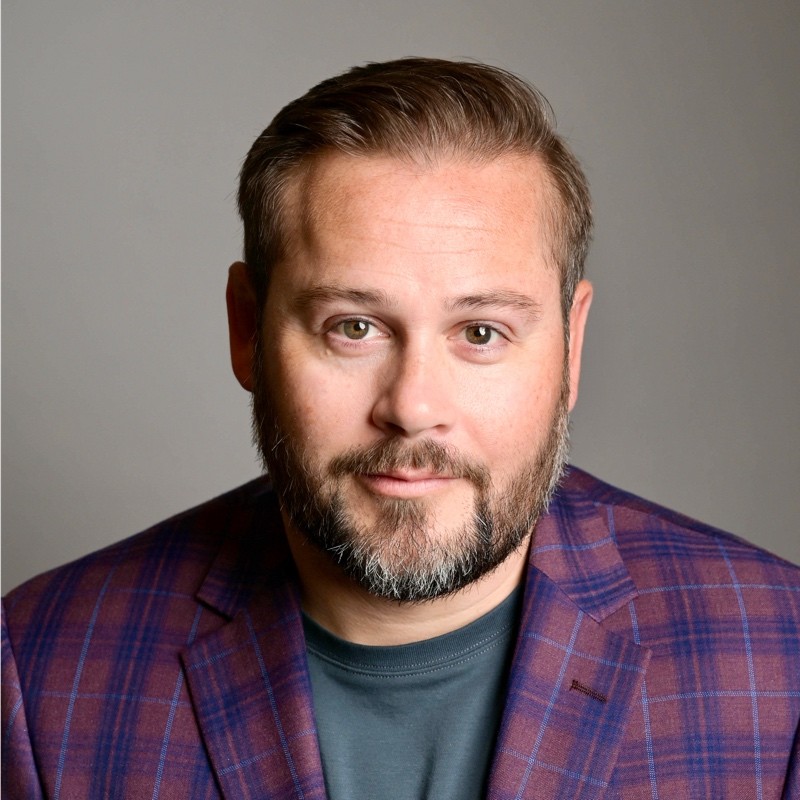
Chief Marketing Officer
I’m the Chief Marketing Officer at GuzmanGray. I’m in the business of adding value to my ecosystem. That means creating clarity, surfacing opportunity, and helping strong companies and advisors move with confidence through important moments.
I’ve spent over a decade in the microcap and growth company world, working alongside founders, executives, investors, and service providers across audit, capital markets, and legal. I care about substance over noise, trust over hype, and long-term outcomes over short-term wins.
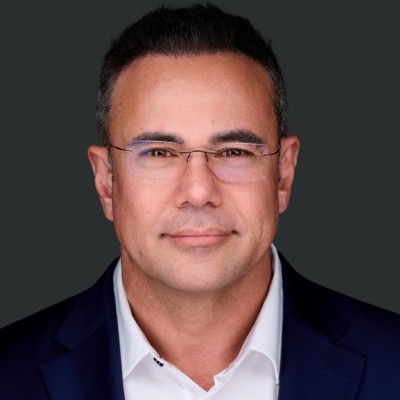
Managing Partner
Three decades of experience in the accounting field, I am a certified public accountant with a masters degree in business administration who is passionate about providing high-quality assurance and advisory services to my clients. I am currently a partner at GuzmanGray, an assurance focused CPA firm that specializes in audits of public and private companies globally. We value integrity, professionalism, and excellence, and we strive to deliver solutions that meet the needs and expectations of our clients. I enjoy working with a diverse and talented team of accountants, advisors, and consultants who share my vision and mission of creating value and impact for our clients and communities.
Before joining GuzmanGray in December 2023, I was a partner at Baker Tilly US, a leading advisory, tax, and assurance firm, for 12 years. There, I oversaw the planning, execution, and review of audit engagements for a variety of industries and sectors. I also developed and maintained strong relationships with my clients, stakeholders, ensuring compliance with accounting standards, laws, and regulations. In addition, I contributed to the firm's growth and development by mentoring and coaching junior staff, participating in business development initiatives, and providing thought leadership and insights on emerging accounting issues and trends.